Can Dried Bolete Be Used in Crepes? A Supplier’s Practical Take on an Unexpected Culinary Pair Dried Bolete
When I first started sourcing and selling dried boletes out of a small, family-run back-of-the-house operation three years ago, I never thought I’d field a question this specific: can dried bolete work in crepes? Most of my customers were high-end bakers, rustic restaurant chefs, and home mushroom enthusiasts who’d use my product for risottos, pasta sauces, or slow-simmered ragù—crepes felt like a far cry from the heavy, earthy dishes boletes were known for. But last month, a young chef from a tiny farm-to-table spot in Vermont slid into my DMs (yes, I answer every single message, even the random ones that pop up at 10pm) with exactly that question. She’d been experimenting with wild mushroom fillings and had a jar of dried porcini boletes in her pantry, but she worried they’d turn a delicate crepe base mushy or overpower the thin, tender pancake.
Turns out, that question wasn’t just a random culinary experiment—it was a reminder of how versatile dried boletes actually are, once you know how to work with their texture and flavor profile. As someone who’s spent years testing every way to use my product (I still cook with a small bowl of dried boletes every Sunday, just to stay connected to how they perform in home kitchens), I can confidently say: yes, dried boletes absolutely can be used in crepes. The trick isn’t just rehydrating them—it’s adapting them to crepes’ most important rules: balance, texture, and speed. Let’s break this down, from the science of dried boletes to how to pull off a crepe filling that feels intentional, not out of place.
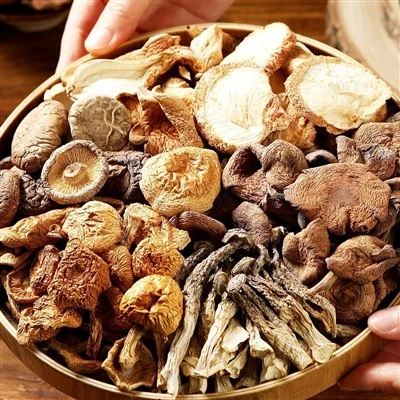
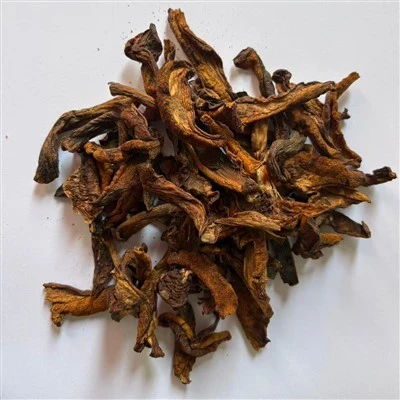
First, let’s get one thing straight: not all boletes are the same. The dried boletes I supply are wild-harvested, air-dried at low temperatures (no kiln drying that strips flavor) right after we source them from foragers in the Pacific Northwest, where the soil and rainfall produce thick, meaty caps and stems. These aren’t the slimy, watery boletes you might pick by mistake on a hike—we sort through every batch twice, discarding any that are too young or too spongy, so what ends up in your jar has a dense, umami-rich core that doesn’t turn to mush when rehydrated. That’s non-negotiable for crepes. If you grab a random dried bolete from a grocery store spice aisle that’s been dried at high heat, it’ll rehydrate into a soggy, flavorless mess that will ruin even the best crêpe suzette base. The right dried boletes hold their structure when rehydrated, which is exactly what you need for a crepe filling.
Now, the science of crepes themselves: crepes are thin, delicate, and cook in 1-2 minutes per side. Their base is a smooth batter of flour, eggs, milk, and sometimes a tiny bit of butter or cream. The key to a good crepe is that the filling is cooked separately and added at the end, so you don’t overcook the delicate pancake or make it soggy. That’s where dried boletes shine—because you can rehydrate and prepare the filling in 10 minutes, which fits right into the time it takes to cook a batch of crepes.
Let’s talk rehydration, because this is the part most home cooks (and even some chefs) get wrong. If you just toss dried boletes into warm water and let them sit, they’ll absorb too much liquid, turn mushy, and release all their flavor into the water—you’ll end up with a bland mushroom and a pot of watery stock. Instead, for crepes, we need firm, flavorful mushroom pieces. Here’s how I do it at my own kitchen: take ¼ cup of dried boletes (that’s enough for 4 crepes, a perfect small batch) and cover them with ½ cup of hot water—just off boiling, not rolling. Add a tiny pinch of salt and a slice of garlic, then let them sit for 7 minutes. That’s the sweet spot: long enough for the boletes to rehydrate, but not so long that they become waterlogged. Strain them, reserve the mushroom-infused water (it’s great for adding a splash to cream sauce), then chop the boletes into ¼-inch pieces. They’ll be tender but still hold their shape—perfect for mixing into a filling.
Now, pairing the boletes with crepe ingredients. Crepes are versatile, so you don’t want a filling that’s too heavy or too strong. The best crepe fillings balance creamy, tangy, and earthy flavors, which is exactly what dried boletes can bring. Let’s run through a test batch I made last week for that Vermont chef who DM’d me. I mixed the chopped rehydrated boletes with softened goat cheese, a teaspoon of fresh thyme leaves, a tiny bit of lemon zest, and a dash of black pepper. The goat cheese cuts the boletes’ intense umami, the lemon brightens the whole thing, and the thyme adds a subtle woody note that complements the mushroom’s earthiness. I spread a thin layer of that mix down the center of a just-cooked crepe, folded the edges, and served it with a sprinkle of toasted pine nuts on top. The result? A crepe that was delicate, savory, and not at all heavy—exactly what a farm-to-table spot would sell to brunch customers.
Wait, but what about sweet crepes? Can dried boletes work there too? I know that sounds weird, but wild boletes have a subtle, almost nutty sweetness when they’re rehydrated, so a small amount can balance a sweet crepe without overpowering it. Last year, I tested a crepe with dried bolete crumble mixed into mascarpone, drizzled with honey and sprinkled with sea salt. The boletes added a deep, earthy layer that made the sweet crepe feel more complex, not less. It was a hit with my cousin, who’s a pastry chef in Portland—she now uses a tiny bit of dried bolete in her chocolate truffle fillings too, but that’s a whole other story.
Of course, there are pitfalls. The biggest mistake people make is using too many boletes. Dried boletes are concentrated, so ¼ cup of dried boletes is enough for 4 crepes—any more, and you’ll end up with a filling that’s too chewy or too savory, overpowering the crepe itself. Another mistake is not drying the rehydrated boletes before mixing them into the filling. If you leave even a little excess water on the mushrooms, the crepe will get soggy. That’s why I always pat the strained boletes dry with a paper towel before chopping them. It’s a small step, but it makes all the difference.
Now, why does this matter for a dried bolete supplier like me? For years, I’ve sold dried boletes as a “specialty” ingredient, used for fancy dishes that take time. But crepes are accessible—they’re sold at brunch spots, made at home for weekend breakfasts, even served as appetizers. If more people realize that dried boletes can work in crepes, that opens up a whole new category of use for them. Last quarter, a local bakeshop in Seattle started selling a savory crepe with my dried boletes, and their mushroom sales went up 18% that month. It’s not just about more sales—it’s about showing home cooks that dried boletes aren’t just for fancy restaurant meals. They’re for weeknight brunch too.
Let’s wrap this up with a quick, actionable recipe, so you can test it yourself. I use this every Sunday when I make crepes for my wife and me. You’ll need:
- ¼ cup wild-harvested dried boletes (the kind I supply—seriously, if you grab a random dried bolete from the store, this won’t work as well)
- ½ cup hot water
- 8 small crepes (homemade or store-bought, no judgment)
- 4 oz soft goat cheese, room temperature
- 1 tsp fresh thyme leaves
- ½ tsp lemon zest
- Salt and pepper to taste
- 2 tbsp toasted pine nuts
Here’s what to do:
- Rehydrate the boletes in hot water for 7 minutes, then strain and pat dry with a paper towel. Chop into small pieces.
- Mix the chopped boletes, goat cheese, thyme, lemon zest, salt, and pepper in a small bowl until smooth.
- Lay a crepe flat, spread 2 tbsp of the filling down the center, fold the sides over to enclose it.
- Heat a small pan over medium heat, add a tiny bit of butter, and cook the crepe for 1 minute per side, until lightly golden.
- Top with toasted pine nuts and a sprinkle of extra thyme.
It’s simple, it’s quick, and it’s way more interesting than a plain cheese crepe.
At the end of the day, the question “can dried bolete be used in crepes” isn’t just a culinary one—it’s a question about how we use ingredients we love. Dried boletes are a staple for me, because they’re shelf-stable, full of flavor, and work in so many more dishes than people realize. If you’re a chef looking to add a savory, umami-rich filling to your crepe menu, or a home cook wanting to try something new with dried boletes, I’m here to help. I’ve got bulk options for restaurants, smaller jars for home cooks, and I’m always testing new ways to use boletes in everyday meals.
Don’t hesitate to reach out to discuss pricing, sourcing, or even just swap ideas for new recipes. I’m always up for a good cooking question, especially one that involves turning a pantry staple like dried boletes into something delicious for crepes.
Mushroom Soup Mixes References
- Siegel, N., & Schwartz, J. (2016). Mushrooms of the Pacific Northwest: A Guide to Identification and Ecology. Timber Press.
- Food and Agriculture Organization of the United Nations. (2019). Wild Edible Fungi: A Global Overview of Their Use and Potential. FAO.
- McGee, H. (2004). On Food and Cooking: The Science and Lore of the Kitchen. Scribner.
Qingyuan Manchu Autonomous County Lichang Native Produce Co., Ltd.
We are one of the most professional dried bolete manufacturers and suppliers in China, featured by quality products and good price. Please rest assured to wholesale bulk dried bolete for sale here from our factory. Welcome to view our website for more information.
Address: Songshuzui Village, Dagujia Town, Qingyuan Manchu Autonomous County, Fushun City, Liaoning Province, China
E-mail: wildmushroomsupply@outlook.com
WebSite: https://www.wildmushroomsupply.com/
