If you’ve ever stood in a shoe factory, watching a perfect pair of leather boots or running sneakers take shape in minutes rather than hours, you’re not just seeing human craft at work—you’re watching a shoe machine do the heavy lifting that turns cut leather and synthetic panels into wearable footwear. As a shoe machine supplier who’s spent the last 12 years building, repairing, and upgrading these machines for small-batch artisan brands and large-scale production lines alike, I hear the same question every week: “What actually makes up these machines? How do all the parts work together without turning my materials into scrap?” Shoe Machine

It’s a fair question. Most people see a big metal box with a few buttons and assume it’s all one big, complicated tool, but a shoe machine is a collection of specialized, precision-engineered parts, each with a specific job to do. Break it down, and every part exists for one reason: to turn raw shoe components (upper panels, soles, stitching thread, adhesives) into a finished, durable pair of shoes. Let’s walk through the core parts you’ll find in every industrial shoe machine, from the smallest stitch to the largest sole press, and why each matters for your production line.
First, we start with the Frame and Structural Base—the backbone of every shoe machine. You might think of this as the “bones” of the machine, and it’s not just metal for show. A quality frame is made from heavy-gauge cast steel or welded aluminum, because shoe machines run at high speeds for 8, 10, even 12 hours a day, and any flex or vibration here will throw every other part out of alignment. I’ve seen too many small brands buy cheap, imported machines with thin steel frames that warp within three months, leading to misaligned stitches or uneven sole adhesion that ruins 10% of their daily output. The frame also houses all the internal parts, so it needs to be rigid enough to support the weight of things like sole presses (which can weigh 500 pounds or more) and still have a flat, level surface where you place your shoe components. For example, in a high-speed stitching machine, the frame has precision-machined slots that hold the needle bar in place, so every stitch is exactly the same distance apart, across thousands of pairs of shoes.
Next, let’s talk about the Actuation System—this is the “muscle” that moves every part of the machine. Without this, the frame is just a heavy metal hunk. Actuation systems vary based on the type of shoe machine, but the two most common are pneumatic (air-powered) and hydraulic (fluid-powered). Pneumatic systems are great for light, repetitive jobs, like pressing upper panels to lasts (the foot-shaped forms shoes are built around) or feeding thread to a sewing machine. They’re fast, easy to adjust, and don’t require bulky fluid tanks, which is why most small to mid-sized factories use them. Hydraulic systems, on the other hand, deliver much higher force, so they’re used for jobs that need serious pressure—like attaching thick rubber soles to work boots or injecting polyurethane foam into the midsole of running shoes. I remember a customer last year who ran a work boot factory and tried to use a pneumatic sole press; he ended up with 30 pairs a day where the sole peeled off, because pneumatic systems can’t generate the 2,000 psi needed to bond thick rubber and leather properly. Swapping to a hydraulic actuation system fixed that issue overnight.
Then there’s the Material Handling System—the part that actually interacts with your shoe parts, so this is where you’ll see the most variation based on what kind of shoe you’re making. For a stitching machine, the material handling system includes feed dogs (those small, toothed metal pieces that pull the upper panel through the machine at a consistent speed) and a worktable that holds the upper in place while it’s stitched. For a sole attaching machine, it’s the clamps that hold the last (with the upper already attached) in position, and the sole positioning arm that lines the sole up perfectly with the bottom of the upper. One often-overlooked part of the material handling system is the last guide rail. This is a metal track that holds the last steady during every step—whether you’re stitching the heel or pressing the sole. If the guide rail is worn, the last shifts even a fraction of an inch, and you end up with shoes where the heel is lopsided or the sole is off-center. I always tell customers to replace their guide rails every two years, even if the rest of the machine seems fine; it’s a small part that saves a ton of scrap.
The Control System is the “brain” of the machine, and it’s come a long way in the last decade. Ten years ago, most shoe machines had simple analog dials—turn a knob to adjust stitch length, turn another to change pressure. Now, 90% of the machines we supply have digital control systems, with a touchscreen interface that lets you save custom settings for different shoe styles. For example, if you make 10 different running shoe models, you can save a specific stitch pattern, sole pressure, and feed speed for each, so you don’t have to re-adjust the machine every time you switch models. The control system also has built-in sensors that catch mistakes before they turn into scrap. A thread sensor will stop the sewing machine if a thread breaks, so you don’t get a half-stitch in an upper panel. A pressure sensor on the sole press will alert you if the adhesive is too cold, so you can fix it before pressing a batch of soles. I once had a customer who was manually checking every stitch, spending two extra hours a day on quality control; installing a control system with a stitch sensor cut that QC time to 15 minutes a day, and reduced his scrap rate by 7%.
Another critical part is the Cutting and Forming Tooling—this is the set of specialized tools that shape your shoe parts. For cutting machines, that’s the cutting dies, which are custom-shaped metal blades that cut out the exact panel shape for the upper, lining, and insole. For stitching machines, it’s the needle and presser foot, sized based on the material you’re working with. A thin needle for synthetic running shoe upper might break if you try to stitch thick leather work boots, so having the right tooling is non-negotiable. For sole presses, the tooling is the press plate—custom-shaped to match the sole of your shoe, so the entire sole gets even pressure. Last year, a customer who made limited-edition leather sneakers came to us frustrated because his cutting dies were wearing unevenly, leading to upper panels with slightly misaligned eyelets for laces. We re-engineered his dies with a harder, heat-treated steel that lasted 3 times longer, and it solved his issue. Tooling is also the part that’s most custom to your shoe style; there’s no one-size-fits-all die, so a good shoe machine supplier will help you design and source tooling that fits your specific products.
Then there’s the Adhesive and Bonding System, which is often the most underrated part of the shoe making process, but it’s what keeps shoes from falling apart after a few wears. This system applies the right amount of adhesive to the sole and upper, then activates it (usually with heat or pressure) to create a strong, durable bond. The system includes adhesive reservoirs, applicator rollers or spray nozzles, and heating elements to cure the adhesive. One mistake I see all the time is factories using a one-size-fits-all adhesive setting—too little adhesive, and the sole peels off; too much, and it oozes out and ruins the shoe’s finish. A good adhesive system will let you adjust the amount of adhesive applied, the temperature of the heating element, and the pressure during curing, all controlled by the machine’s system. For example, water-based adhesives used for eco-friendly sneakers need lower temperatures to cure than solvent-based adhesives used for heavy work boots, so the bonding system has to be adjustable for that.
Don’t forget the Safety and Monitoring Components, which are essential for both your workers and your production line. Shoe machines run at high speeds, with sharp blades and heavy press plates, so safety parts like emergency stop buttons, light curtains (which stop the machine if a worker’s hand gets too close to the needle or press), and guard rails are not optional—they’re required by OSHA in most countries. But the monitoring parts go beyond safety sensors; there are also waste detectors that catch excess adhesive or loose thread before they clog the machine, and cycle counters that track how many pairs the machine has made, so you know when to schedule maintenance. A friend who runs a medium-sized shoe factory told me that investing in safety and monitoring parts for his stitching machine reduced on-the-job incidents by 90% in a year, and also cut his machine downtime by 15% because small issues were caught before they caused major breakdowns.
Now, the most important part of any shoe machine, in my opinion, is the integration of all these parts. It’s not enough to have a great frame, a strong actuation system, and a smart control system—they have to work together seamlessly. I’ve seen brand new machines that had all the right parts, but were built with misaligned feed dogs, leading to uneven stitches, or hydraulic systems that didn’t sync with the control system, leading to inconsistent sole pressure. That’s why, when we build or supply shoe machines, we test every single part individually, then run a 24-hour production test with actual shoe materials before it leaves our warehouse. We make sure the stitching is uniform, the pressure is consistent, and the machine can run without downtime for long stretches—because when your production line is running, every minute of downtime costs you money.
If you’re shopping for a shoe machine, whether you’re a small artisan just starting out or a large factory looking to upgrade your lines, it’s important to know what parts to look for, and what parts to avoid. Cheap machines from overseas might have a similar appearance, but they’ll often use thinner metal, lower-quality tooling, and less precise control systems, leading to higher scrap rates and more downtime. At the end of the day, a shoe machine is an investment in your product quality and your production efficiency, so you want to make sure every part is built to last.
If you have questions about which parts are right for your specific shoe making process, or want to discuss upgrading your current machines, feel free to reach out to us to talk through your needs.
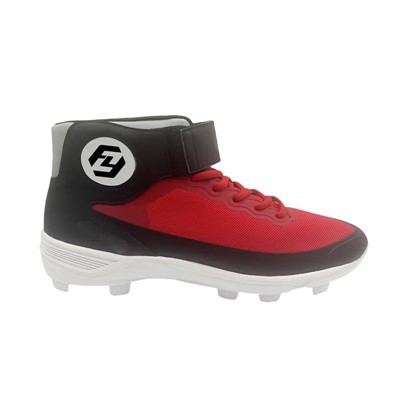
Baseball Cleats References
- International Organization for Standardization. (2020). Safety Requirements for Footwear Manufacturing Machinery. ISO 13849-1:2020.
- Shoe Technology Association. (2022). Components and Functionality of Industrial Shoe Manufacturing Equipment. STA Technical Bulletin 47.
- Smith, J. (2021). Precision Engineering in Footwear Production: Key Machine Parts and Alignment Standards. Journal of Footwear Manufacturing Technology, 12(3), 45-62.
- Occupational Safety and Health Administration. (2019). Guidelines for Operating Footwear Manufacturing Machinery. OSHA Publication 3675-19.
Quanzhou Yangwang Trading Co., Ltd.
Address: No. 234-1 East Qiguang Road, Handai Village, Chendai Town, Jinjiang City, Quanzhou City, Fujian Province.
E-mail: mariajose@quanzhouyangwang.com
WebSite: https://www.fuyingshoes.com/
