If you’ve ever stood in a workshop watching a metal cutting band saw blade snap mid-cut, you know how disruptive that tiny mishap can be. I’m part of the team at a metal cutting band saw supplier, and I’ve heard every horror story: days lost to replacements, damaged workpieces, crews stuck waiting for a new blade, even safety scares when a broken blade whips through the air. The truth is, most band saw blade breaks aren’t random. They’re the result of small, avoidable mistakes—mistakes that pop up for new operators and seasoned veterans alike. Over the years, we’ve worked with thousands of metal fabricators, automotive shops, and steel service centers, and I’ve seen firsthand that preventing blade breaks doesn’t require fancy, hard-to-fix tools. It’s all about consistent, intentional practices that start before you even turn the saw on. Metal Cutting Band Saw
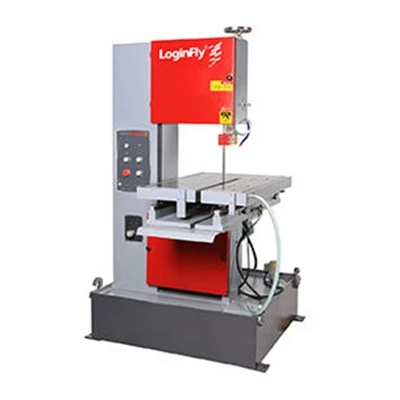
Let’s start with the most foundational step: choosing the right blade for the job. This might sound basic, but it’s where half of all blade issues start. I’ve watched shops grab a general-purpose band saw blade for every cut, even when they’re slicing through hard alloy steel or thick structural steel. Not all blades are created equal, and mismatching blade type to material and cut length is a surefire way to end up with a broken blade. For example, when cutting thin aluminum or small mild steel parts, a fine-tooth blade (18 to 24 teeth per inch, TPI) works best. Too few teeth, and the blade will grab the material, twist, and snap. Too many teeth, and they’ll clog with chip, overheat, and break mid-cut. For thick, dense materials like stainless steel or carbon steel, you’ll want a coarser blade (3 to 8 TPI)—more space between teeth lets chips escape easily, reducing friction and stress on the blade. We always advise customers to follow the “3-tooth rule” as a quick check: there should be at least three teeth in contact with the material at all times. If you have only one or two teeth touching, the blade will chatter, flex, and break almost every time. I once had a customer cut 4-inch solid steel bars with a 10 TPI blade, and he broke three blades in one shift before we showed him he needed a 5 TPI blade for that thickness. That small swap saved him hundreds of dollars in blade replacements and downtime in just that first week.
Once you’ve got the right blade, installation is the next critical step—one that’s often rushed by operators who want to jump straight to cutting. Improper installation is responsible for around 20% of blade breaks we see at our service calls, mainly from tension issues. Band saw blades rely on precise tension to stay straight and rigid during cuts. Too little tension, and the blade will sag, twist, or wander off the cut line, putting uneven stress on individual teeth until they snap. Too much tension, and the blade will stretch beyond its design limits, leading to premature fatigue and breakage even on straight cuts. Every band saw has a recommended tension range, usually listed in pounds per square inch (PSI) or kilograms per square centimeter in the owner’s manual—for most standard band saws, that’s between 20,000 and 30,000 PSI. We recommend using a simple tension gauge, not just the built-in scale on the saw, because those scales can drift over time with wear. A quick, cheap gauge takes 10 seconds to use and eliminates guesswork.
Another common installation mistake is not matching the blade’s length to the saw’s wheel circumference. Cutting a blade that’s too short means you’ll have to over-tension it to get it on the wheels, and over-tensioning is a fast path to breakage. A blade that’s too long, meanwhile, will slip off the wheels or flop around during cuts, leading to misalignment. When we supply replacement blades, we always check the saw’s wheel size and recommend the exact length needed, but it’s good practice to double-check by measuring the distance around the two wheels, then adding 1 to 2 inches for the blade’s splice area (since welded blades need a small overlap). Also, when you thread the blade onto the wheels, make sure it runs true—no side-to-side wobble, and all teeth face the correct direction. Teeth should point down on the lower wheel and up on the upper wheel; mounting them backward puts every cut in reverse, forcing the blade to pull instead of push through the material. That mistake alone will break a blade before you even finish your first cut.
Once the blade is installed, setting up the cut parameters is where you can avoid 30% of avoidable blade breaks, in our experience. Speed and feed rate are the two big variables here. Cutting too fast is probably the most common mistake new operators make—they crank the feed lever all the way down to get the cut done quickly, but that overworks the blade. When you feed too fast, the teeth can’t remove chips fast enough, so they bind in the cut, generate excess heat, and crack. Hard materials like stainless steel need slower speeds and lower feed rates, while softer materials like mild steel or aluminum can handle slightly faster speeds. As a general rule, set your cutting speed so that you can smell a faint, light chip odor—if it’s strong or you see smoke, you’re going too fast. Feed rate should be steady, not jerky; a smooth, consistent feed keeps stress evenly distributed across all teeth, rather than letting a few teeth take all the force of the cut. We’ve also found that cutting too slow can be a problem, especially for hard materials. When you take too long to cut through a dense material, the blade can sit in the cut long enough to overheat, dulling the teeth and leading to fatigue. It’s a balancing act, but small adjustments based on material type make a huge difference.
Don’t overlook blade maintenance while it’s in use, either. Chip buildup is one of the most underrated causes of blade stress. As you cut metal, tiny chips get trapped between the blade’s teeth, building up like lint in a pocket. That buildup increases friction, causes the blade to flex, and can even force teeth to bend or break. Regular cleaning—either with a wire brush for light buildup or a specialized blade cleaning spray for heavy chip accumulation—removes debris before it becomes an issue. Also, check the blade regularly for signs of wear: chipped, bent, or dull teeth, even small ones, can spread stress across the entire blade. A single bent tooth might seem like a minor flaw, but it will throw the entire blade’s alignment off, leading to uneven cuts and breaks. If you notice damage, don’t keep running the blade—replace it or send it out for re-toothing before it causes a bigger problem.
Coolant and lubrication are another area where we see operators cutting corners, and it’s a costly mistake. Metal cutting band saw blades generate a lot of heat from friction between the teeth and the work material, and without proper cooling, that heat will soften the blade’s edge, dull the teeth, and cause the blade to break. Coolant does more than just cool the blade, though—it also flushes chips away from the cut, reduces friction, and extends blade life by up to 50% in many cases. The type of coolant matters, too: for stainless steel and other hard alloys, use a synthetic or semi-synthetic coolant designed for high-pressure cutting; for mild steel, a soluble oil coolant works well. If your saw doesn’t have a built-in coolant system, you can use a high-quality cutting oil, applied with a brush or a spray bottle, but make sure it’s applied directly to the cut line, not just the outer edge of the material. I’ve had a customer tell me he “didn’t need coolant” for small steel cuts, and he broke three blades in a month before we showed him how a $20 bottle of cutting oil cut his blade use by two-thirds.
Even when you do everything right, pre-cut preparation plays a role in blade longevity. Make sure the workpiece is clamped securely to the saw table. If the material moves or vibrates while you’re cutting, the blade will have to adjust to shifting forces, leading to chattered teeth and breaks. For long workpieces, use a roller stand or an outfeed table to support the other end—letting a 10-foot steel bar hang off the table end means the blade has to work against the bar’s weight, putting extra stress on the blade as it nears the end of the cut. That’s a common mistake in shops that work with large structural materials. Also, double-check that your saw’s guide arms are properly aligned before you start. Guide arms hold the blade in place as it cuts, preventing it from flexing or wandering. If the guides are too far apart or not adjusted to the blade’s width, they won’t support the blade correctly, leading to unnecessary stress. Most saws let you adjust the guide arms to match the blade size; a quick check before each job takes less than a minute.
Proper blade storage is often forgotten, but it’s a key part of preventing breaks when you’re ready to use a new or replacement blade. Blades should be stored in a dry, temperature-controlled area, away from dust, moisture, and heavy tools that could dent or bend the teeth. Never toss a new blade into a bin with other tools or blades—dents from falling objects will create weak points in the blade that can turn into breaks during cutting. We recommend storing blades in their original packaging, or in a dedicated blade rack, to keep them straight and protected. And when you do take a blade out, don’t bend it roughly—even a small, unnoticeable bend in the blade body can lead to misalignment and breaks during the first cut.
Let’s be clear: even with all these practices, blades will eventually wear out and need replacing. The goal isn’t to make a blade last forever, but to maximize its life and avoid unnecessary breaks from preventable mistakes. If you follow these steps, you’ll see less downtime, lower blade costs, and a safer workshop.
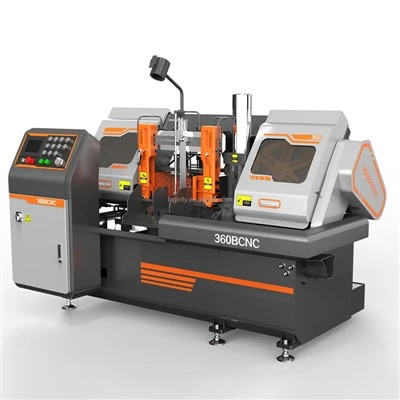
At our metal cutting band saw supplier, we don’t just sell blades and saws—we work with our customers to implement these practices, because we know a blade that lasts is a blade that saves you money. If you’re dealing with frequent blade breaks, want to optimize your cutting process, or need recommendations for the right blades and tools for your specific jobs, we’re here to help. Whether you’re a small shop running occasional projects or a large fabricator with high-volume cuts, we can provide tailored advice and products to meet your needs. Reach out to our team to discuss your band saw needs, and we’ll help you get your blade performance on track.
Band Saw Machine References
ASM International. (2005). Metal Cutting: Theory and Practice. ASM International.
Band Saw Manufacturers Association. (2021). Best Practices for Band Saw Blade Maintenance and Performance. BSM Technical Report.
Krolczyk, G., et al. (2019). Analysis of Band Saw Blade Wear in Metal Cutting Processes. Journal of Materials Processing Technology.
Shanghai Loginfly Sawing Technology Co., Ltd.
As one of the most professional metal cutting band saw manufacturers and suppliers in China, our products have good reputation in the market. We warmly welcome you to wholesale premium metal cutting band saw from our factory. If you have any enquiry about cooperation, please feel free to email us.
Address: Room 506 NO.655 Yinxiang Road,Nanxiangtown,Jiading District, Shanghai.China
E-mail: sales01@loginfly.com
WebSite: https://www.loginflysaws.com/
