If you’ve ever walked past a construction site where sand is flying, dumped a bag of fertilizer into your garden, or even cleaned your kitchen with abrasive cleaning powder, you’ve interacted with dry particles. As a dry particles supplier, I’ve spent years working with these tiny materials—testing their properties, troubleshooting their handling, and helping customers pick the right type for their specific needs. What many people don’t realize is that “dry particles” isn’t a one-size-fits-all term. These materials vary wildly in size, shape, composition, and intended use, and getting the type right is make-or-break for projects ranging from pharmaceutical manufacturing to industrial cleaning. Let’s break down the most common types of dry particles, how they’re used, and what makes each one unique. Dry Particles
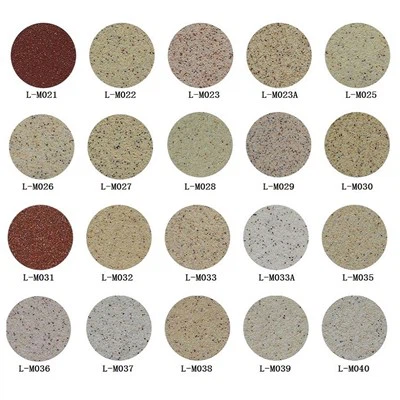
First, there’s one category that’s probably the most recognizable across nearly every industry: mineral dry particles. These are derived directly from rock, ore, or natural mineral deposits, and they’re valued for their hardness, chemical stability, and consistency. Let’s split this into two sub-groups to make it clearer: industrial minerals and engineered mineral particles. Industrial mineral particles are the natural, unmodified stuff you pull out of the ground, processed only to reduce size or remove impurities. For example, silica sand is one of the oldest and most widely used mineral particles. It’s made up of silicon dioxide, and its angular, sharp shape makes it perfect for sandblasting (to strip paint or rust from metal surfaces), as a proppant in hydraulic fracturing for oil and gas, and even as a raw material in glass and concrete production. Another common natural mineral is calcium carbonate, which comes from limestone or marble. Ground calcium carbonate (GCC) is used as a filler in paper, paint, and plastics—making products cheaper and more durable without sacrificing performance. I’ve seen GCC go from a pile of limestone rock to a fine, uniform powder used in 90% of the paper made in North America, and it’s always interesting to track that supply chain.
Engineered mineral particles, on the other hand, are natural minerals that have been chemically or physically altered to meet specific, tight specifications. Let’s take kaolin clay, for example. Raw kaolin is a soft rock, but when we process it by heating or grinding, we get fine, white particles that are used in toothpaste (to give that gentle abrasive texture without scratching enamel) and in ceramic products. Another engineered mineral is fumed silica, which is made by burning silicon tetrachloride in a flame. The result is ultra-fine, spherical particles that act as a thickening agent in paints and cosmetics, and even as a flow agent in our own dry particle shipments—they stop other particles from clumping together during transport. As a supplier, I work closely with mining teams to make sure we’re sourcing natural minerals that are pure enough for processing, and with chemists to tweak engineered particles so they meet the exact standards a customer needs, whether that’s a pharmaceutical company requiring 99.9% pure silica or a concrete manufacturer needing consistent sand for their mix.
Next up: organic dry particles. These come from living organisms or their byproducts, and they’re popular because they’re often biodegradable, non-toxic, and have unique chemical properties. The most common type people use day-to-day is agricultural organic particles—think food-grade items from plant or animal sources. Corn starch is a perfect example: it’s a fine, white powder made from corn kernels, used as a thickener in cooking, a coating for pills in pharmaceuticals, and even as a biodegradable alternative to plastic packaging. Wheat flour is another, but as a dry particle, its size and protein content make it critical for baking, but it’s also used in industrial processes like textile sizing to stiffen fabric before weaving. A lot of my customers in the eco-space are switching to agricultural organic particles because they break down naturally, so they don’t leave behind plastic waste or toxic residue.
Then there’s natural non-agricultural organic particles. These are things like wood flour (made from ground sawdust), coconut shell particles, and activated carbon. Wood flour is super useful as a filler in composite wood products—think decking or furniture made from wood plastic composite. It’s cheap, renewable, and gives the composite a real wood feel. Coconut shell particles are harder, more abrasive than wood flour, so they’re used in natural cleaning scrubs (like in body washes or natural dish soaps) and even in oil filtration. Activated carbon is a special organic particle because it has a porous structure that makes it great at absorbing gases and liquids. I supply activated carbon to water treatment plants, which use it to filter out chlorine and contaminants from drinking water, and to air purification companies that use it to remove volatile organic compounds (VOCs) from indoor air. What I love about organic particles is that they often have a smaller environmental footprint than synthetic options—we just have to make sure we source them sustainably, from FSC-certified forests or fair-trade agricultural waste, to keep that benefit intact.
The third major category is synthetic dry particles, which are man-made for specific high-performance applications. These include polymer particles, synthetic abrasives, and engineered ceramic particles. Polymer particles are made from plastic resins, and they come in all sorts of shapes and sizes. Microbeads used to be a big part of personal care products, but now many manufacturers use biodegradable polymer particles, like polylactic acid (PLA) beads, as a sustainable alternative. Polymer particles are also used in 3D printing, where they’re melted and layered to make everything from phone cases to medical implants. As a supplier, I’ve had to adapt as regulations change—we used to supply polyethylene microbeads for cleaning products, but now we focus on PLA beads that meet the new environmental standards.
Synthetic abrasives are another type of synthetic dry particle. Unlike natural mineral abrasives like silica sand, synthetic abrasives are made to be extremely consistent in hardness and size. Aluminum oxide is one of the most common: it’s harder than steel, so it’s used in sandpaper, grinding wheels, and even in abrasive blasting for surfaces that need a lot of heavy-duty cleaning. Silicon carbide is another synthetic abrasive, harder than aluminum oxide, which makes it perfect for grinding very hard materials like ceramic or concrete. Then there are engineered ceramic particles, which are tiny, highly pure ceramic spheres or irregular particles. These are used in high-temperature applications, like lining furnaces, or as grinding media in ball mills—they’re so durable that they can grind other materials for years without wearing down. A customer once told me their mill was using natural mineral grinding media that wore out in 6 months, and after switching to our synthetic ceramic particles, they only had to replace them every 5 years— that’s the kind of difference knowing your particle types makes.
Wait, I should also mention a subset that bridges categories: functional specialty dry particles. These are particles designed to serve a specific, narrow purpose, often used in pharmaceuticals, electronics, or food processing. For example, pharma-grade dry particles include lactose monohydrate, which is used as a filler in tablets. It’s fine, uniformly sized, and dissolves properly in the body, so it’s perfect for making tablets that are easy to swallow and consistent in dose. Then there’s toner powder, which is used in laser printers and copy machines. Toner is a mix of plastic particles, carbon black, and sometimes magnetic particles—its size and charge have to be exactly right to transfer from the printer drum to paper, and to fuse with heat to make a permanent image. I’ve worked with a few electronics manufacturers that need toner particles with a size variation of less than 5 microns—if one particle is even a little too big, it can jam the printer. That level of precision is what makes specialty particles so interesting: it’s not just about what they’re made of, it’s about how they behave when mixed, heated, or exposed to different conditions.
Now, why does all this matter? As a supplier, I’ve seen firsthand that picking the wrong type of dry particle can cause costly delays, product failures, or even safety issues. For example, a construction company once called me in a panic because they’d ordered silica sand for a concrete mix, but their supplier sent a sand that was too fine. The concrete ended up cracking prematurely, and they had to tear out 100 yards of foundation. Another customer, a natural cleaning product brand, used coconut shell particles that were too coarse, so their scrub was harsh enough to damage kitchen countertops. These mistakes don’t just hurt the customer—they teach me that it’s not enough to just sell particles; I have to explain the differences clearly, and help customers understand which type will work for their specific use case.
That’s why, over the years, I’ve built my business around not just supplying dry particles, but advising on them. A farmer looking for fertilizer might need urea particles, which are slow-release and high in nitrogen, but if they use the wrong particle size, it could run off into nearby waterways. A cosmetics company might need talc particles, which are soft and absorbent, but only pharma-grade talc to avoid heavy metal contamination. The key is matching particle type to the application, and that means understanding not just the material, but its properties: size distribution, hardness, shape, chemical purity, and flowability. Flowability is a big one—no matter how good a particle is, if it clumps together during transport or processing, it’s useless. That’s why I always ask customers about their processing methods, storage conditions, and end-product requirements before making a recommendation.
If you’re working on a project that requires dry particles, whether it’s building a bridge, formulating a new skincare product, making pharmaceuticals, or even just stocking your garage with sand for winter ice, getting the right type is non-negotiable. As a dry particles supplier, I’ve spent decades refining my knowledge of these materials, so I can help you avoid the mistakes I’ve seen other businesses make. Whether you need industrial minerals for manufacturing, organic particles for eco-friendly products, synthetics for high-performance uses, or specialty particles for pharmaceuticals or electronics, I can provide the right quality, consistency, and quantity to meet your needs.

If you’re ready to discuss your dry particle requirements, feel free to reach out to start a conversation. Let’s talk about your project, the specs you need, and how we can support you every step of the way.
Dry Wall Putty References
ASTM International. (2020). Standard Terminology Relating to Particulate Materials. ASTM International.
Hodgson, A. A. (2018). Particulate Technology: Principles and Practice. Elsevier.
US Environmental Protection Agency. (2021). Sustainable Use of Agricultural Particulates in Industrial Applications. EPA Office of Chemical Safety and Pollution Prevention.
Dengjian New Materials Technology Dongtai Co., Ltd.
As one of the most professional dry particles manufacturers and suppliers in China, we’re featured by quality products and good price. Please rest assured to buy customized dry particles made in China here from our factory. Contact us for pricelist.
Address: Qindong New Materials and Equipment Industrial Park, Dongtai City, Yancheng City
E-mail: 992683005@qq.com
WebSite: https://www.djwallmaterial.com/
