Yo, folks! I’m a supplier of self-adhesive labels, and today I wanna chat about something super important: the temperature resistance of self-adhesive labels. Self-adhesive Labels
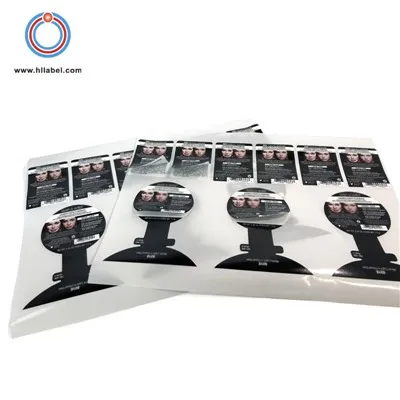
Let’s start with the basics. Self-adhesive labels are those handy stickers that you can stick on all kinds of stuff, from products in a store to packages being shipped. They’re everywhere, and their performance can be seriously affected by temperature.
Why Temperature Resistance Matters
You might be wondering, "Why does temperature even matter for a label?" Well, think about it. Labels can end up in all sorts of environments. If you’re shipping products to a really hot place, like the desert, or a super cold one, like the Arctic, the label needs to hold up.
In high temperatures, labels can start to peel off. The adhesive that holds the label to the surface can get too soft and lose its grip. And if it gets really hot, the label material itself might start to warp or fade. That’s a huge problem because the label is supposed to provide information about the product, like what it is, how to use it, and any warnings. If the label peels off or fades, that information is gone.
On the flip side, in cold temperatures, the adhesive can become too hard and brittle. This can also cause the label to peel away from the surface. And if the label material isn’t designed to handle the cold, it might crack or break.
Factors Affecting Temperature Resistance
There are a few key factors that determine how well a self-adhesive label can handle different temperatures.
Adhesive Type
The type of adhesive used on the label is probably the most important factor. There are different kinds of adhesives, and each has its own temperature range where it works best.
- Permanent Adhesives: These are designed to stick to a surface for a long time. They usually have good temperature resistance, but it can vary. Some permanent adhesives can handle high temperatures up to 200°F (about 93°C) or more, while others might start to fail at around 120°F (about 49°C).
- Removable Adhesives: These are meant to be taken off the surface without leaving a residue. They generally have a lower temperature resistance than permanent adhesives. They might start to lose their stickiness at around 100°F (about 38°C) or get too hard in cold temperatures below 32°F (0°C).
- Freezer Adhesives: As the name suggests, these are designed for use in cold environments, like freezers. They can handle temperatures as low as -40°F (-40°C) without becoming too brittle.
Label Material
The material of the label itself also plays a role in temperature resistance.
- Paper Labels: Paper is a common label material. It’s cheap and easy to print on, but it doesn’t have the best temperature resistance. In high temperatures, paper can dry out and become brittle, and it can also absorb moisture in humid conditions, which can cause it to wrinkle. In cold temperatures, paper can become stiff and crack.
- Plastic Labels: Plastic labels, like polyester or polypropylene, generally have better temperature resistance than paper labels. They can handle a wider range of temperatures without warping or cracking. For example, polyester labels can withstand temperatures from -40°F to 250°F (-40°C to 121°C).
- Foil Labels: Foil labels are also quite durable when it comes to temperature. They can reflect heat and are resistant to moisture, making them a good choice for high-temperature or humid environments.
Surface Material
The surface that the label is being stuck to can also affect its temperature resistance. Different materials expand and contract at different rates when the temperature changes. If the label and the surface it’s on expand or contract at different rates, it can cause the label to peel off.
For example, if you stick a label on a metal surface, which expands and contracts a lot with temperature changes, you need to make sure the label and adhesive are compatible. Otherwise, the label might start to lift off as the metal expands in the heat or contracts in the cold.
Testing Temperature Resistance
As a self-adhesive label supplier, I always make sure to test our labels for temperature resistance. We use special equipment to simulate different temperature conditions and see how the labels hold up.
We’ll put the labels in a temperature chamber and set it to different temperatures for a certain period of time. Then we’ll check to see if the labels have peeled off, faded, or warped. We also look at the adhesive to see if it’s still sticky and holding the label in place.
This testing helps us make sure that our labels will perform well in real-world conditions. It also allows us to recommend the right type of label and adhesive for different applications.
Applications and Temperature Requirements
Different applications have different temperature requirements for self-adhesive labels.
Food Industry
In the food industry, labels need to be able to handle a wide range of temperatures. For example, labels on frozen foods need to stay on in the freezer, so they need to be made with a freezer adhesive. And labels on hot food products, like freshly baked goods, need to withstand the heat without peeling or fading.
Automotive Industry
In the automotive industry, labels are used on all sorts of parts, from engines to dashboards. These labels need to be able to handle high temperatures under the hood, as well as the temperature changes that occur during normal driving. They also need to be resistant to chemicals and oils.
Electronics Industry
Labels on electronic devices need to be able to handle the heat generated by the device itself. They also need to be durable enough to last for the life of the product. In addition, they need to be able to withstand any temperature changes that might occur during shipping or storage.
Choosing the Right Self-Adhesive Label for Temperature
So, how do you choose the right self-adhesive label for your temperature needs? Here are some tips:
- Know the Temperature Range: First, you need to know the temperature range that the label will be exposed to. This includes both the maximum and minimum temperatures, as well as how long the label will be exposed to those temperatures.
- Consider the Adhesive: Based on the temperature range, choose the right type of adhesive. If you’re dealing with high temperatures, a permanent adhesive with good heat resistance might be the best choice. If it’s for a cold environment, a freezer adhesive is a must.
- Select the Label Material: The label material should also be chosen based on the temperature requirements. Plastic or foil labels are usually a better choice for extreme temperatures than paper labels.
- Test, Test, Test: Before you commit to a large order of labels, it’s a good idea to do some testing. You can order a small sample of labels from a supplier and test them in your actual environment to make sure they work.
Conclusion
Well, that’s a wrap on the temperature resistance of self-adhesive labels! As you can see, it’s a complex topic, but it’s really important if you want your labels to look good and stay in place.
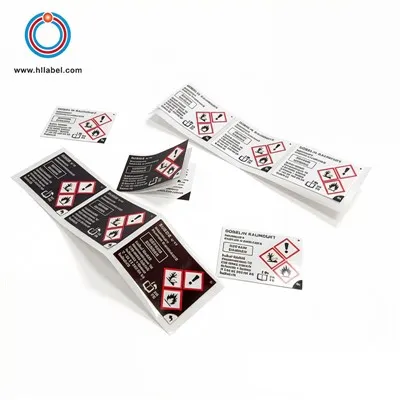
Foldable Label If you’re in the market for self-adhesive labels and need help choosing the right ones for your temperature requirements, don’t hesitate to reach out. I’ve got the knowledge and the products to meet your needs. Let’s have a chat and find the perfect solution for your business.
References
- "Handbook of Pressure-Sensitive Adhesive Technology" by Donatas Satas
- "Labeling Technology" by Label Industry Association publications
Huizhou Huilong Printing Company Limited
As one of the most professional self-adhesive labels manufacturers in China, we have world-leading production equipment and strong manufacturing capabilities. Please feel free to buy bulk self-adhesive labels in stock here from our factory. Also, pricelist is available.
Address: Xin’er Group, Xiamazhuang, Huicheng District, Huizhou City, Guangdong Province
E-mail: huilong278@163.com
WebSite: https://www.huilonglable.com/
