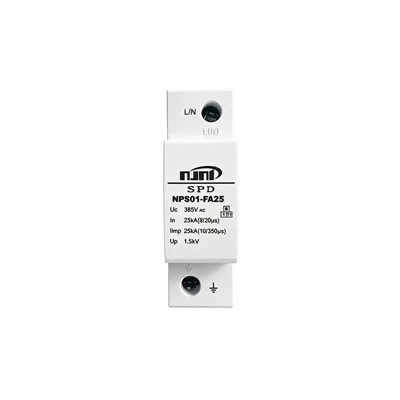
In the realm of electrical safety, surge protective devices (SPDs) stand as crucial shields against transient overvoltages caused by lightning strikes or electrical system switching. Among these, the T1+T2 7KA Surge Protective Device is a remarkable solution that combines the advantages of Type 1 and Type 2 protection, offering a high level of safeguard for electrical installations. One of the key performance indicators that often garners significant attention is its humidity resistance. In this blog, as a supplier of T1+T2 7KA Surge Protective Devices, I will delve into the intricacies of the humidity resistance of our product, exploring its significance, the factors influencing it, and the measures we’ve taken to ensure optimal performance under humid conditions. T1+T2 7KA Surge Protective Device
The Significance of Humidity Resistance in Surge Protective Devices
Humidity is a natural environmental factor that can have a profound impact on the performance and longevity of electrical equipment. For surge protective devices, the ability to withstand high – humidity conditions is of utmost importance.
One of the primary concerns is the potential for moisture to cause corrosion of internal components. The internal circuitry of a surge protector contains various metals, such as copper, aluminum, and zinc. When exposed to high humidity, these metals are prone to oxidation, which can lead to the formation of rust and other corrosion products. This corrosion can increase the resistance of electrical connections, disrupt the normal flow of current, and ultimately compromise the protective function of the SPD.
Moreover, humidity can also affect the insulation properties of the device. The insulation materials used in surge protectors are designed to prevent the leakage of current. However, in a high – humidity environment, moisture can penetrate the insulation, reducing its dielectric strength. This may result in electrical leakage, which not only wastes energy but also poses a safety risk, such as the potential for electrical fires or electric shocks.
In addition, high humidity can lead to the growth of mold and mildew on the surface of the SPD. These microorganisms can damage the housing and internal components of the device, further degrading its performance and reliability. Given these potential problems, understanding and ensuring the humidity resistance of our T1+T2 7KA Surge Protective Devices is essential to providing our customers with a reliable and long – lasting product.
Factors Influencing the Humidity Resistance of T1+T2 7KA Surge Protective Devices
1. Material Selection
The choice of materials used in the construction of the surge protector plays a vital role in its humidity resistance. For the housing, we select high – quality, moisture – resistant plastics. These plastics have excellent chemical stability and low water absorption rates, which can effectively prevent moisture from entering the device.
Inside the device, the electrical components are also carefully chosen. For example, we use corrosion – resistant metals for the conductive parts. These metals are treated with special coatings to enhance their resistance to oxidation and corrosion. Additionally, the insulation materials are selected for their high dielectric strength and low moisture absorption characteristics, ensuring stable insulation performance even in humid environments.
2. Sealing Design
A well – designed sealing structure is another crucial factor in improving humidity resistance. Our T1+T2 7KA Surge Protective Devices are designed with a tight seal around the housing. This seal prevents moisture from seeping into the internal components of the device. The sealing materials are carefully selected to have good elasticity and weather resistance, ensuring a long – term and reliable seal.
In addition, the cable entry points of the device are also sealed to prevent moisture from entering through the cables. We use special cable glands and sealing gaskets to ensure a watertight connection between the cables and the device.
3. Ventilation and Drainage
While sealing is important, proper ventilation and drainage are also necessary to avoid the accumulation of moisture inside the device. Our surge protectors are designed with ventilation holes that allow air to circulate inside the housing. This helps to reduce the humidity level inside the device by expelling moist air and bringing in dry air.
At the same time, the device is equipped with drainage channels to drain any condensed water that may form inside the housing. These drainage channels are designed to prevent water from pooling inside the device, which can cause damage to the internal components.
Testing and Validation of Humidity Resistance
Before our T1+T2 7KA Surge Protective Devices are released to the market, they undergo rigorous humidity resistance testing. These tests are conducted in accordance with international standards and industry best practices.
One of the common tests is the damp heat test. In this test, the device is placed in a test chamber with a controlled temperature and humidity environment. The temperature is usually set at around 40°C, and the relative humidity is maintained at 93% for a certain period, typically 48 to 96 hours. During the test, the electrical performance of the device, such as its leakage current, protection level, and response time, is continuously monitored. If the device passes the test without showing any significant degradation in performance, it indicates that it has good humidity resistance.
We also conduct salt spray tests to simulate the harsh marine environment, where the humidity is high and there is a presence of salt in the air. In this test, the device is exposed to a fine mist of saltwater for a specified period. After the test, the device is inspected for signs of corrosion and damage. Only devices that meet the strict requirements can be approved for production.
Our Commitment to Quality and Performance
As a supplier of T1+T2 7KA Surge Protective Devices, we are committed to providing our customers with products that offer excellent humidity resistance and overall performance. We invest heavily in research and development to continuously improve our product design and manufacturing processes.
Our quality control team conducts strict inspections at every stage of the production process to ensure that each device meets our high – quality standards. We also provide comprehensive technical support and after – sales service to our customers, helping them to select the most suitable surge protection solutions for their specific applications and to troubleshoot any problems that may arise.
Conclusion and Invitation
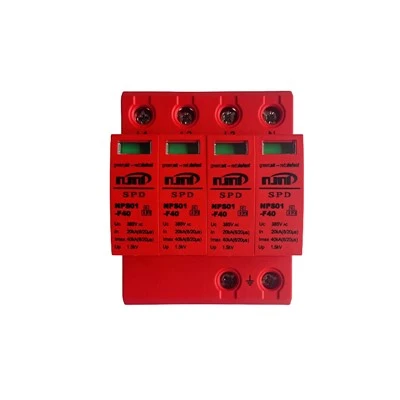
In conclusion, the humidity resistance of our T1+T2 7KA Surge Protective Devices is a result of careful material selection, innovative design, and rigorous testing. Our products are designed to provide reliable protection for electrical installations in various humidity conditions, ensuring the safety and stability of your electrical systems.
T1+T2 12.5KA Surge Protective Device If you are in need of a high – quality surge protective device with excellent humidity resistance, please do not hesitate to contact us for procurement and further discussions. Our team of experts is ready to assist you in finding the best solution for your specific needs.
References
- International Electrotechnical Commission (IEC) standards related to surge protective devices and environmental testing
- Industry research reports on the performance of surge protective devices in humid environments
- Technical literature from leading manufacturers of electrical components and materials used in surge protectors
Nanjing Ningpu Lightning Protection Equipment Manufacturing Co., Ltd.
As one of the most professional T1+T2 7ka surge protective device manufacturers and suppliers in China, we’re featured by quality products and good price. Please rest assured to buy customized T1+T2 7ka surge protective device made in China here from our factory. Also, pricelist is available.
Address: Building 1, No.20 Shengyuan Road, Lishui Economic Development Zone, Nanjing City, Jiangsu Province, China
E-mail: 3796023563@qq.com
WebSite: https://www.npspd.com/
