Thermal lamination film has become a popular choice for enhancing the durability and appearance of various printed materials. As a supplier of thermal lamination film, I often receive inquiries about its compatibility with stickers. In this blog post, I will delve into the question of whether thermal lamination film can be used on stickers, exploring the benefits, considerations, and best practices for this application. Thermal Lamination Film
Understanding Thermal Lamination Film
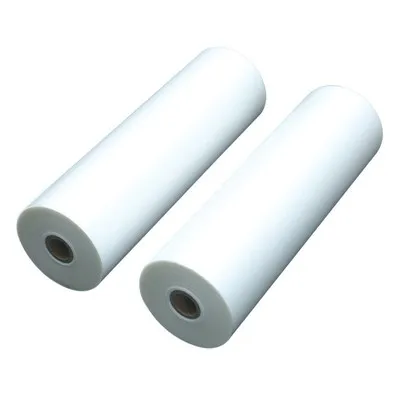
Before we discuss the use of thermal lamination film on stickers, it’s important to understand what thermal lamination film is and how it works. Thermal lamination film is a type of plastic film that is applied to a printed surface using heat and pressure. The film is typically made of polyester or polypropylene and comes in various thicknesses and finishes, such as glossy, matte, or satin.
When the thermal lamination film is heated, it adheres to the printed surface, creating a protective layer that enhances the durability, scratch resistance, and water resistance of the printed material. Thermal lamination is commonly used for documents, photos, posters, and other printed materials that require protection and a professional finish.
Benefits of Using Thermal Lamination Film on Stickers
Using thermal lamination film on stickers offers several benefits, including:
- Enhanced Durability: Thermal lamination film provides a protective layer that helps to prevent stickers from fading, scratching, or peeling. This makes them more resistant to wear and tear, ensuring that they maintain their appearance and adhesion for a longer period of time.
- Improved Water Resistance: The lamination film creates a barrier that protects stickers from water, moisture, and other environmental factors. This makes them suitable for use in outdoor applications or in areas where they may come into contact with water, such as bathrooms or kitchens.
- Professional Appearance: Thermal lamination gives stickers a smooth, glossy finish that enhances their visual appeal and makes them look more professional. This can be particularly beneficial for promotional stickers, business cards, or other types of stickers that are used to represent a brand or business.
- Customization Options: Thermal lamination film is available in a variety of finishes and colors, allowing you to customize the appearance of your stickers to suit your specific needs and preferences. You can choose from glossy, matte, or satin finishes, as well as clear or colored films, to create a unique and eye-catching look.
Considerations When Using Thermal Lamination Film on Stickers
While thermal lamination film offers many benefits for stickers, there are also some considerations to keep in mind before using it. These include:
- Sticker Adhesive Compatibility: Not all sticker adhesives are compatible with thermal lamination film. Some adhesives may melt or become sticky when heated, causing the sticker to peel or bubble. It’s important to test the compatibility of your sticker adhesive with the thermal lamination film before applying it to a large number of stickers.
- Sticker Material Compatibility: The type of material used for the sticker can also affect its compatibility with thermal lamination film. Some materials, such as paper or thin vinyl, may not be able to withstand the heat and pressure of the lamination process. It’s important to choose a sticker material that is suitable for thermal lamination and to follow the manufacturer’s recommendations for lamination.
- Lamination Equipment: Using the right lamination equipment is essential for achieving a high-quality lamination result. Make sure you have a thermal laminator that is suitable for the thickness and size of the stickers you want to laminate. Follow the manufacturer’s instructions for operating the laminator and adjust the temperature and speed settings as needed.
- Lamination Thickness: The thickness of the thermal lamination film can also affect the appearance and performance of the stickers. Thicker films provide more protection and durability, but they may also make the stickers feel stiff or bulky. Thinner films are more flexible and lightweight, but they may not provide as much protection. Choose a lamination thickness that is appropriate for the intended use of the stickers.
Best Practices for Using Thermal Lamination Film on Stickers
To ensure the best results when using thermal lamination film on stickers, follow these best practices:
- Test the Compatibility: Before laminating a large number of stickers, test the compatibility of the sticker adhesive and material with the thermal lamination film. Apply a small piece of film to a sample sticker and heat it using the laminator. Check for any signs of peeling, bubbling, or discoloration. If the test is successful, you can proceed with laminating the remaining stickers.
- Prepare the Stickers: Make sure the stickers are clean and dry before laminating them. Remove any dust, dirt, or debris from the surface of the stickers using a clean, dry cloth. This will help to ensure a strong bond between the sticker and the lamination film.
- Cut the Film to Size: Cut the thermal lamination film to the same size as the stickers. Leave a small margin around the edges of the stickers to allow for any expansion or contraction during the lamination process.
- Align the Film and Stickers: Place the stickers on the thermal lamination film, making sure they are centered and aligned. Use a ruler or straight edge to help you align the stickers accurately.
- Laminating the Stickers: Insert the laminated stickers into the thermal laminator and follow the manufacturer’s instructions for operating the machine. Make sure the laminator is set to the appropriate temperature and speed for the thickness of the film and the type of stickers you are laminating.
- Cool and Trim the Stickers: After laminating the stickers, allow them to cool completely before handling them. This will help to ensure that the lamination film has fully adhered to the stickers. Once the stickers are cool, trim the excess film from the edges using a sharp knife or scissors.
Conclusion
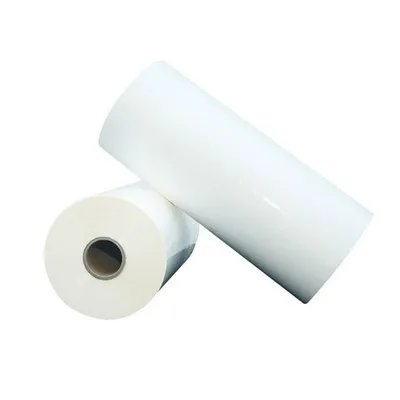
In conclusion, thermal lamination film can be used on stickers to enhance their durability, water resistance, and professional appearance. However, it’s important to consider the compatibility of the sticker adhesive and material with the thermal lamination film, as well as the type of lamination equipment and thickness of the film. By following the best practices outlined in this blog post, you can achieve a high-quality lamination result that will protect your stickers and make them look their best.
PET Thermal Lamination Film If you’re interested in purchasing thermal lamination film for your sticker application, I encourage you to contact me to discuss your specific needs and requirements. I can provide you with more information about our products and services, as well as offer advice and guidance on how to achieve the best results.
References
- "Thermal Lamination: A Guide to the Process and Its Benefits." Print Industry Hub.
- "How to Laminate Stickers: A Step-by-Step Guide." The Spruce Crafts.
- "Choosing the Right Lamination Film for Your Project." Lamination.com.
Yantai Hongqing Packing Material Co., Ltd.
Yantai Hongqing Packing Material Co., Ltd. is one of the most professional thermal lamination film manufacturers and suppliers in China, also supports customized service. Welcome to wholesale advanced thermal lamination film made in China here and get quotation from our factory. Quality products and reasonable price are available.
Address: Eastern Industrial Park, Taocun, Yantai, Shandong Province, China
E-mail: cindy@ythongguang.cn
WebSite: https://www.hqingnewmat.com/
