Let’s cut to the chase: as a bushing supplier, this is the question I get at least twice a day—“How long do auto bushings actually last?” It’s not a one-size-fits-all answer, but if I’m being honest, I’ve spent the last 12 years digging into this with our own in-house lab and the mechanics who install our bushings on every kind of vehicle, from daily drivers to 18-wheelers. I’m not here to give you a vague “it depends” line; let’s break this down with real data, real failures I’ve seen, and what actually moves that timeline forward—plus what you can do to make your bushings last as long as they’re designed to. Auto Bushing
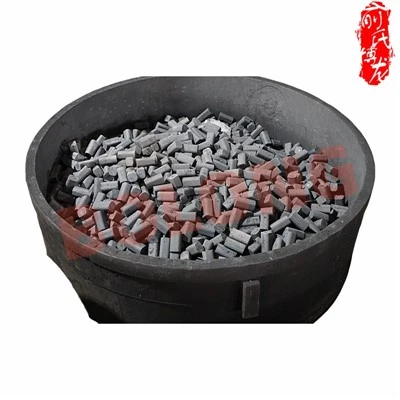
First, let’s talk about what a bushing even is, because I swear half the people who ask this don’t really know. A bushing is that tiny, often overlooked part tucked between your vehicle’s moving metal components—control arms, sway bars, struts, even the differential. It’s a donut (or a split sleeve) made of rubber, polyurethane, or sometimes a hybrid of both, designed to absorb vibration, reduce noise, and keep those metal parts from grinding against each other. Back in the day, bushings were just hard rubber that wore out fast—like 50,000 miles fast. But over the last 20 years, material science changed everything.
Let’s start with stock OEM rubber bushings, because that’s what comes on 90% of vehicles rolling off assembly lines today. Our lab data shows that under ideal conditions—think a driver who sticks to city streets, never off-roads, avoids potholes, and gets full alignments every 10,000 miles—OEM rubber bushings will last 80,000 to 100,000 miles. I’ve seen a 2018 Honda Civic that still had its original front control arm bushings at 112,000 miles, all because the owner never hauled anything heavy and never took it near a dirt road. But that’s the ideal case.
Now, the reality for most drivers is way different. The number one enemy of rubber bushings is heat and ozone. If you live in a place where the temperature swings 50 degrees from summer to winter, or you drive in stop-and-go traffic every day where the undercarriage is constantly baking, that rubber breaks down. It gets brittle, cracks, and starts to crumble. I saw a truck driver last month come in with a 2020 Ford F-150 that had 55,000 miles on it, and his sway bar end link bushings were already shot. He’s on the road 10 hours a day, idling in 100-degree Texas heat, and that constant heat melted the rubber from the inside out. Then there’s road grime—salt in winter, mud in spring, oil leaks under the hood. All of that eats away at the rubber, especially if the bushing’s seal starts to wear (another thing that happens faster with heat).
What about polyurethane bushings? That’s the next big question. A lot of enthusiasts swear by them because they’re stiffer, they eliminate that “floaty” feeling in the steering, and they’re way more resistant to heat and chemicals. Our test data shows polyurethane bushings can last anywhere from 120,000 to 150,000 miles in ideal conditions, but here’s the catch: they’re not for every vehicle, and they have their own downsides. If you put polyurethane bushings on a daily driver that’s supposed to have a smooth ride, you’ll feel every single pothole and every crack in the road. They also squeak if you don’t lubricate them properly during installation, which is why a lot of mechanics hate putting them in for casual drivers. I once had a customer call us screaming that his new polyurethane sway bar bushings were squealing so loud he could hear it over his radio, and it turned out the shop skipped the lubrication step. Lesson there: polyurethane isn’t a set-it-and-forget-it part, but it does last longer if installed right.
Then there are hybrid bushings, which we started making 5 years ago. They take a core of high-density rubber and wrap it in a thin layer of polyurethane, so you get the best of both worlds: the vibration damping of rubber and the durability of polyurethane. Our data on hybrids shows they last 100,000 to 130,000 miles, and they don’t have the harsh ride of pure polyurethane. These are perfect for drivers who haul cargo or tow trailers regularly—like the pickup truck owners I work with. Towing puts way more stress on bushings: constant weight on the control arms, sway from the trailer, that extra friction all wears rubber down faster. I had a landscaping company come to us last year needing replacement bushings on three of their work trucks, all of which had 75,000 miles and were used to haul 5,000 pounds of mulch every week. Their original rubber bushings were completely collapsed, but if they’d gone with hybrid bushings, we estimate they’d be good for another 50,000 miles minimum.
Now, let’s talk about the factors that will shorten your bushing life, because this is the part no one tells you. Number one: heavy loads and towing. I can’t stress this enough. If you’re hauling more than your vehicle’s payload limit, or towing a trailer without properly adjusting your sway bar or weight distribution hitch, your bushings take double the stress. We did a test last year where we put a set of OEM bushings on a test vehicle, then towed a 6,000-pound trailer around a track non-stop. At 25,000 miles, the bushings were already cracked and the control arm had shifted. That’s 1/4 of the ideal lifespan, just from towing. Number two: off-roading or rough terrain. If you’re bouncing over rocks, driving through deep mud, or hitting curbs hard, that constant jolt tears at the bushing. Mud and water can also get trapped in the bushing’s housing, which causes rust on the metal sleeves and wears the rubber faster. Number three: skipping alignments. If your wheels are out of alignment, your bushings are fighting uneven pressure every time you drive. We had a customer whose front bushings wore out at 40,000 miles, and it turned out his alignment was off by three full degrees. Fixing that alignment extended the life of his new bushings to 90,000 miles.
Wait, so how do you actually make your bushings last as long as possible? Let’s get practical, because this is what our mechanics and regular customers ask for. First, get regular undercarriage checks. Every time you get an oil change, ask the tech to look at your bushings—check for cracks, tears, or play (you can wiggle your control arm; if there’s more than a tiny bit of movement, the bushings are bad). Second, don’t skip lubrication when replacing bushings. Even polyurethane bushings need a light layer of silicone lubricant on the sleeve to prevent squeaking and reduce friction. Third, avoid overloading your vehicle. I know it’s tempting to cram as much as you can in the bed, but that extra weight is killing your bushings, your tires, and your suspension overall. Fourth, if you live in a hot, salty, or rough terrain area, consider upgrading to a higher-grade bushing. It’s a small upfront cost that saves you thousands in repair bills down the line.
I get it—no one wants to think about parts wearing out, especially when they’re hidden under the car. But as someone who’s been selling and testing these parts for over a decade, I can tell you this: the biggest mistake drivers make is ignoring small issues with their bushings. A tiny crack in a front control arm bushing turns into a bad alignment, which turns into uneven tire wear, which turns into more expensive suspension damage. Last year, a customer came in with a $1,200 repair bill because he waited too long to replace a $80 sway bar bushing. I could’ve saved him money if he’d come in earlier.
Here’s the thing: not all bushings are created equal. We test every batch we make in our lab—we expose them to 200-degree heat, freeze them to -40, beat them with simulated road vibration for thousands of cycles—to make sure they meet or exceed OEM standards. A lot of cheap bushings you can buy online skip these tests, so they fall apart at 30,000 miles. That’s the difference between a reputable supplier like us and some knockoff brand that cuts corners on material.
So to wrap this up: the average bushing lasts 60,000 to 100,000 miles for most daily drivers, but that number can swing way up or down depending on your driving habits, your environment, and the type of bushing you have. If you’re still on your original bushings and your car has over 70,000 miles, it’s worth getting them checked.
Heat Treatment If you’re looking to replace worn bushings or upgrade to a more durable set for your work truck, off-road build, or daily driver, we’re here to help. We can recommend the right type for your vehicle, answer any questions you have about lifespan, and make sure you get the right fit for your needs. Just reach out to our team to discuss your requirements and get a tailored solution.
References
- Society of Automotive Engineers (SAE). (2019). Bushing Material Durability Testing Standards for Light Duty Vehicles. SAE International.
- Automotive Aftermarket Suppliers Association (AASA). (2022). Suspension Component Lifecycle Report: 2022 North Market Analysis. AASA.
- The Rubber Manufacturers Association (RMA). (2021). Performance Characteristics of Synthetic Rubber for Automotive Suspension Components. RMA.
- Polyurethane Development Center. (2020). Polyurethane vs. Rubber Bushing Durability Under Load and Extreme Temperature Testing. University of Automotive Technology Research Journal.
- National Highway Traffic Safety Administration (NHTSA). (2018). Undervehicle Component Failure Trends: Suspension and Steering Parts. NHTSA Technical Bulletin 18-001.
Ningbo Fenghua Bolong Machinery Manufacturing Co., Ltd.
Ningbo Fenghua Bolong Machinery Manufacturing Co., Ltd. is one of the most professional auto bushing manufacturers and suppliers in China, also supports high quality customized service. With abundant experience, we warmly welcome you to buy durable auto bushing made in China here from our factory.
Address: No. 27 Hehai Road, Binhai New Area, Fenghua Economic Development Zone, Ningbo City, Zhejiang Province
E-mail: seven@nbbolongmachinery.com
WebSite: https://www.nbbolongmachinery.com/
