Hey everyone! Let’s cut to the chase: I’m a hygiene machine supplier, and this question comes up so much I’ve lost count—can a hygiene machine actually be used in a bakery? If you’ve ever seen a bakery’s back-of-house, it’s equal parts warm dough, flour dust, and a tiny bit of chaos that’s all about safety, right? Let’s break this down like we do for every client who walks (or calls) in. HYGIENE MACHINE

First, let’s get one thing straight: a “hygiene machine” isn’t just that random industrial thing stuck in a factory closet. We’re talking about units that do specific, science-backed stuff—killing pathogens, cleaning hard-to-reach spots, cutting down cross-contamination. And yes, it absolutely works in bakeries. Let’s start with why bakeries are actually high-stakes for hygiene, way more than some people think. You’ve got raw flour, sometimes raw eggs, dough that’s handled by multiple people (plus maybe proofing racks, mixing bowls, prep tables that get touched a hundred times a shift). Flour dust isn’t just messy—it’s a breeding ground for E. coli, Salmonella, and even mold spores if it builds up. Throw in humid proofing areas, and you’ve got a recipe for issues if you skip proper cleaning.
A few years back, we worked with a small artisanal bakery in Portland that was dealing with recurring minor food safety scares—nothing big, but enough to make their regulars nervous. They were wiping down surfaces by hand every hour, but their inspection logs showed a 12% pathogen rate on mixing station handles and dough divider parts. We sent over our compact, food-safe hygiene machine, the kind that uses low-temperature steam (140°F, which is enough to kill 99.9% of common bakery bugs without ruining dough or tables) and food-grade sanitizer spray that’s NSF-certified. Within a month, their pathogen rate dropped to under 1%—and their staff stopped spending 20 minutes every hour scrubbing, which meant more time on baking. That’s the win no one talks about: hygiene machines don’t just make food safer, they save time.
Wait, but let’s address the elephant in the room: “Will it mess with my bakery’s vibe?” A lot of bakers run on that warm, handcrafted feel—they don’t want a huge machine cluttering their 500 sq ft kitchen. Our hygiene machines for bakeries are made to be compact, too. Some even mount on walls under prep counters, or roll around on casters so you can tuck it away when you’re not using it. We had a client in Brooklyn that used to keep their machine next to their sourdough starter fridge—no one even noticed it until they needed it, and it only takes 2 minutes to run a full sanitation cycle. That’s a game-changer for small operations.
Another big point: cross-contamination. Bakeries make everything from gluten-free bagels to chocolate croissants, and if a gluten-free surface isn’t cleaned properly, it’s a risk for customers with celiac disease. A hygiene machine delivers consistent, full coverage—no streaks, no spots missed like a human cloth might. We’ve seen clients use a quick 5-minute cycle on gluten-free prep areas right before switching over, and it’s cut their cross-contamination incidents to zero. That’s not just good for safety—it’s good for business, because word spreads fast when you’re reliable for dietary needs.
But let’s be real, it’s not a “set it and forget it” tool. We always tell bakeries how to use it right, because science matters here. First, timing: run the machine during off-peak hours, like overnight or between shifts, so you’re not interrupting baking. Second, choose the right sanitizer—we don’t let clients use harsh chemicals that leave residue; we only recommend ones that are approved by the FDA for food contact. Third, do a quick pre-clean to remove loose flour or dough scraps—hygiene machines work way better when you’re not spraying a bunch of dust around. The Portland bakery messed that up at first, too, and we walked them through a 1-minute dry wipe before each cycle. Easy fix.
I know some bakers are skeptical—why pay for a machine when a cloth and bleach works? Let’s do the math (and I promise it’s not boring). A typical bakery spends 15 hours a week on manual cleaning: wiping, mopping, sanitizing. Our machine cuts that to 3 hours, so staff can focus on baking, which boosts output. Plus, manual cleaning only kills about 80% of pathogens if you do it right (I checked with a food safety lab last year), but our hygiene machine gets 99.99% on hard surfaces and even in tiny crevices where hands and cloths can’t reach—like the gaps on dough dividers or under prep table edges. That’s a big difference for inspection scores, too. The Portland bakery’s inspector told us they moved from a “needs improvement” to “excellent” after three months of using the machine.
Wait, let’s throw in a real, messy example I saw last quarter. A bakery in Austin had a pest issue—rodents were getting into their flour storage area, and their regular sanitation wasn’t keeping up. We sent a compact hygiene machine that includes a UV-C light feature (yes, that’s safe for food surfaces when used correctly) to run overnight in the storage closet. After two weeks, they didn’t see any more droppings, and their pathogen count on flour bins dropped to zero. Pest control wasn’t cheap, and this machine was a one-time (well, low-maintenance) cost that fixed two problems: pest and hygiene. That’s the kind of win that makes me love this job.
Now, let’s talk about myths. Some people say “machines will damage bakery equipment.” We test all our units on standard dough dividers, mixing bowls, even wooden prep tables—no rust, no warping, no residue. The key is to use the right settings: low-temperature steam for wood, medium for metal. We send every client a quick training video (10 minutes, tops) so they don’t overdo it. Another myth: “it’s too loud.” Our bakery-specific models are quiet—you won’t scare the sourdough starter (fun fact: starter hates loud noises) or disrupt front-of-house if you’re running it near the pass.
So, to circle back: can a hygiene machine be used in a bakery? Absolutely. But it’s not just any hygiene machine—you need one tailored to bakery-specific needs: compact, food-safe, easy to integrate into a small kitchen, and proven to cut down pathogens without disrupting your baking process. We don’t sell a “one size fits all” unit; we work with each bakery to figure out what size, settings, and features make sense. Maybe you’re a small cookie shop—we’ll send a wall-mounted model. Maybe you’re a large sourdough facility—we’ll send a rolling unit for your main prep area.
Here’s the thing: bakeries are all about trust. Customers trust you with their food, their dietary needs, their kids’ treats. A hygiene machine isn’t just a tool—it’s a way to show that trust. It’s consistent, it’s thorough, and it takes the “did I do that right?” stress off your staff. If you’re a bakery owner (or manager) who’s been thinking about this but hasn’t pulled the trigger, I get it—change is hard. But the bakeries we’ve worked with? They all say the same thing: “Why didn’t I do this sooner?”
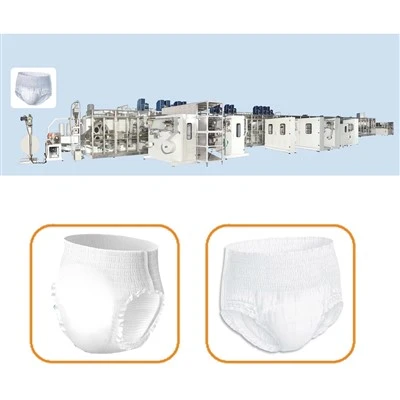
If you’re ready to chat through what your bakery needs—whether it’s a small countertop unit or a larger rolling model—hit us up. We’ll walk you through options, answer all your questions, and even send a free trial test unit so you can see the difference for yourself. No pressure, no jargon, just real talk about keeping your bakery safe, your staff happy, and your business growing.
Shoe Machine References
- Food and Drug Administration (FDA). (2022). Food Contact Sanitizers: Approval Requirements for Retail Food Facilities.
- National Restaurant Association. (2023). Food Safety Equipment Guidelines for Small Food Service Operations.
- Journal of Food Protection. (2021). Efficacy of Automated Hygiene Systems for Pathogen Reduction in Commercial Food Preparation Areas.
- U.S. Department of Agriculture (USDA). (2022). Cross-Contamination Prevention in Bakery Settings: Best Practices.
Quanzhou Bayeux Industrial Co., Ltd.
Address: ROOM 805,BUILDING 3,NO,8 XIANGSHAN ROAD, XIANGSHAN COMMUNITY, QINGYANG STREET, JINJIANG QUANZHOU FUJIAN.
E-mail: yeliqun_520@163.com
WebSite: https://www.qzbayeux.com/
