Hey there, if you’re in the packaging, apparel, or promotional products game, you’ve probably asked this at some point: “How long will my semi auto hot stamping machine actually last?” I get it—when you’re dropping cash on equipment, you don’t want it conking out six months after you install it or dragging its feet for a decade past its prime, costing you downtime and repairs. As a semi auto hot stamping machine supplier, I talk to guys running shops from tiny family-owned print presses to mid-sized garment decorators every single week, and the answer never’s a straight number like “5 years” or “15 years.” It depends on a mix of how you use it, how you treat it, and even the little details you might not think about when you first fire it up. Let me break this down like I would to a buddy who’s just starting out in the game. Semi Auto Hot Stamping Machine
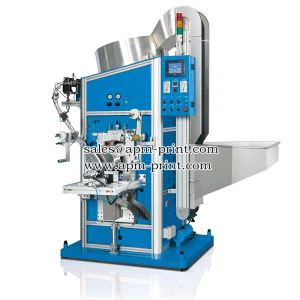
First, let’s get one thing straight right out the gate: this isn’t like a toaster you toss when it starts smoking. A solid semi auto hot stamping machine isn’t a disposable gadget. The baseline “default” lifespan if you do basic stuff is around 10 to 12 years of consistent, daily use. But that’s if you’re running it 8 hours a day, 5 days a week—no double shifts, no cranking it beyond its rated capacity, no skipping maintenance. I’ve seen machines still cranking perfect foils at 15 years for shops that baby them, and I’ve had customers call me at 3 years saying their machine’s dead because they ran it nonstop 12-hour days without a second thought and skipped cleaning. It’s all about how you show up for it, basically.
Let’s start with the biggest factor that eats into lifespan: usage intensity. Semi auto hot stamping machines are built for semi automation, so they’re not the big industrial monsters that run 24/7—they’re made for shops that have steady work, maybe a few big runs a month, and small to medium jobs in between. If you’re running a 10-hour shift every single day, cranking out 500+ impressions an hour, pushing thicker materials (like rigid cardboard instead of thin paper, or coated fabric) that put extra strain on the heating plate and the pressure mechanisms? That’s going to add wear way faster. A machine built for 30,000 impressions a month might hit that mark at 5 years if you’re cranking 100,000 impressions a month on it. I had a customer last year who bought a mid-tier semi auto machine to print custom wine labels on the side, but then took on a big contract for 20,000 promotional beer coasters every week. He didn’t adjust the settings or upgrade to a higher-capacity model (which is on me for not checking his workload clearly at delivery), and the machine’s feed mechanism started giving out at 2 and a half years—way earlier than it should have. On the flip side, a guy who runs his semi auto machine 5 days a week, 8 hours a day, doing mostly small runs of business cards and gift tags? His machine hit 11 years last month, and the only part he’s had to replace was the old air filter, which is a $20 part.
Next up is maintenance—this is the make-or-break stuff, and it’s way simpler than you think, no fancy tech degree required. Most people hear “machine maintenance” and zone out, thinking it’s hours of messy work or a huge bill, but for semi auto hot stampers, it’s 10 minutes a week tops, if you stick to it. The big no-nos I harp on to every customer: don’t let foil residue build up on the heating plate. That gunk doesn’t just mess up your foiling quality—it gets crusty, and when you clamp down for a job, that crusty residue causes uneven pressure, which warps the pressure pads over time. I had a customer call me in a panic last year because his machine’s heating plate was pitted, and he’d only cleaned it once in 2 years—he was using paper towels and window cleaner, too, not the non-abrasive metal cleaner we include with every machine. Those pits aren’t just a cosmetic issue; they mean you can’t get even pressure anymore, so half your foils are splotchy, and eventually, the heating elements under the plate go out because they’re working harder to compensate for the uneven surface.
Then there’s the pressure and pressure adjustments. A lot of new operators crank the pressure all the way up because they think it’ll make the foil stick better, but that’s like slamming a car’s gas pedal to the floor every time you stop at a red light. That extra strain on the cylinder and the pressure springs means those parts wear out way faster. We recommend checking pressure once a week, matching it to the material you’re using—thick corrugated needs more, thin fabric needs less, and don’t forget to release pressure when you’re not using the machine for more than an hour. Oh, and lubrication—most semi auto machines have a few moving parts that need a drop of lightweight oil every month, not WD-40 (that’s sticky and attracts dust, which is worse). I can’t tell you how many machines I see with stiff levers or jerky feed arms because someone used the wrong lubricant, and that stiffness adds stress to the whole mechanism over time.
Another thing that people don’t think about is setup and operation best practices. A semi auto machine is semi automatic, so you’re loading the material and the foil roll manually, right? But if you’re loading the foil crookedly every time, or not aligning it properly, the machine has to work harder to pull the foil through, which strains the feed rollers. And don’t forget about the cooling time! If you yank the part you just foiled before it’s fully cooled (usually 10 to 15 seconds, depending on the foil type), you might not mess up the job, but over time, pulling hot materials and banging them onto the collection tray can jostle the alignment of the machine’s guides. A little care when loading and unloading goes a long way—most of the premature failures I see are from operator error, not the machine being bad quality.
Now, what about the stuff that’s out of your control a little? Quality of the machine itself, obviously. Not all semi auto hot stamping machines are built the same. A cheap no-name machine you buy from a random online seller for half the price? It might last 5 years if you’re lucky, because they use cheap steel for the frame, flimsy pressure cylinders, and heating elements that burn out fast. The machines we supply are built with industrial-grade steel frames, precision-machined pressure systems, and heating elements that are rated for 50,000+ hours of use, not 20,000. That’s a difference right there. I’ve had customers buy those cheap no-name machines, call me a year later asking if I can fix them, because their heating plate cracked or the feed arm bent after a few months of use. That’s not normal—our machines are tested before they leave the shop, so that kind of failure is almost unheard of when you use it right.
Also, the type of materials you’re foiling matter. Most semi auto machines work with standard paper, cardstock, thin fabric, and rigid cardboard up to a certain thickness. If you’re trying to foil really thick materials (like 1/4 inch rigid plastic or metal) that aren’t rated for semi auto use, that’s going to put way more strain on the machine’s capacity than it’s designed for. I had a customer last year try to foil custom metal name tags on his mid-tier semi auto machine, and the pressure cylinder seized up after a month—he should have gotten a full industrial model for that heavy-duty work, not a semi auto. If you stick to the material limits the machine’s rated for, that’ll add years to its life.
So, let’s do the math here. If you buy a solid semi auto hot stamping machine from a reputable supplier, follow basic maintenance, use it within its rated capacity, and operate it properly, you’re looking at 10 to 15 years of consistent, high-quality use. A lot of shops will upgrade before that, because they outgrow their capacity (you might get busier, need a faster machine, or switch to a full auto line for big runs), so you might not even hit the full lifespan. But if you treat it right, it’ll outlast a lot of other pieces of equipment in your shop.
Wait, let’s talk about common replacement parts, too, because that’s a big part of keeping a machine running. The good news is, for semi auto hot stampers, replacement parts are cheap and easy to get. The parts that wear out first are things like the air filter (every 6 months, $15), the pressure springs (every 3 to 5 years, $20 a pair), the feed rollers (every 4 to 6 years, $30), and the heating elements (every 7 to 10 years, $50). None of these are huge costs, and if you stay on top of replacing them, you can keep your machine running for way longer than the average shop. I had a customer who’s had our same semi auto machine for 12 years, and the only parts he’s replaced are the air filter and feed rollers—he does the rest of the maintenance himself, and it’s still cranking out perfect foils every day. That’s the kind of value you get when you buy a machine that’s built to last, not just the cheapest option.
Another myth I hear all the time: “If I keep my machine clean, it’ll last forever.” No, it’s not a fine china cabinet—moving parts wear out, that’s just how machines work. The goal isn’t to make it last forever, it’s to make it last as long as you need it to, with minimal downtime and costs. Skipping maintenance might save you 10 minutes a week, but it’ll cost you hundreds in repairs and lost production when the machine breaks. I always tell customers: set a reminder on your phone for every Saturday morning to do the 10-minute wipe down, check pressure, and add a drop of oil. It’s not a chore, it’s a habit that’ll pay off for years.
Let me wrap this up for anyone who’s on the fence, wondering if a semi auto hot stamping machine is a good investment, or if their current one will last. The short version: a quality semi auto hot stamping machine will last 10 to 15 years, maybe longer, if you give it basic care and use it within its limits. The mistakes that cut its life short are almost always avoidable—overloading it, skipping maintenance, using the wrong parts, or operating it roughly. If you take the time to learn how to care for it, it’ll be a reliable workhorse for your shop, handling hundreds of jobs, helping you get that crisp, professional foiling you need to keep your customers happy.

If you’re in the market for a semi auto hot stamping machine, or you have questions about maintaining the one you already have, I’m here to chat. Whether you’re a small startup just getting off the ground, or an established shop looking to upgrade, we can help you find the right machine for your workload and budget, plus walk you through every step of basic maintenance so you can keep it running for years.
Hot Stamping Machine References:
- Industrial Hot Stamping Equipment Maintenance Guide, 2022, Manufacturing and Packaging Industry Association
- Operator Best Practices for Semi-Automatic Hot Stamping Machines, 2021, Print and Decorating Supplies Association
- Machine Lifespan Analysis for Commercial Printing Equipment, 2023, Equipment Reliability Journal
Shenzhen Hejia Automatic Printing Machine Co., Ltd.
Shenzhen Hejia Automatic Printing Machine Co., Ltd. is one of the most professional semi auto hot stamping machine manufacturers and suppliers in China. All products for sale come in high precision and reliable performance. If you’re interested in it, welcome to place orders for semi auto hot stamping machine from our factory. Good prices and services are offered in our factory.
Address: No.3 Building, Daerxun Technology Ind. Zone, No.29 Pingxin North Road, Pinghu Town, Longgang, Shenzhen City, China
E-mail: info@apm-print.com
WebSite: https://www.apm-print.com/
