If you’ve ever bought a bolt tensioner from us, you know these tools aren’t your average wrenches or socket sets. They’re precision workhorses—used in everything from wind turbine assembly to bridge construction, where a tiny misstep or a neglected part can lead to big safety issues. Over the years, I’ve had customers call me panicking, saying their tensioner isn’t pulling as tight as it should, only to find out they stored it in a damp garage or leaned it against a stack of pipes. So today, let’s cut through the noise and talk about what actually matters when storing a bolt tensioner—no fluff, just real stuff we’ve learned from shipping thousands of these things and fixing more than a few that were ruined by bad storage. Bolt Tensioner
First off, let’s get one thing straight: bolt tensioners are not like those cheap ratchets you keep under your workbench. Most of our units are made from high-grade steel, with seals, pistons, and a whole bunch of tiny precision-machined parts that can get messed up if you ignore the basics. I see customers making two huge mistakes all the time: either they leave their tensioner out in the elements because “it’s industrial, it can handle anything,” or they stuff it in a random toolbox with greasy bolts and other metal gear, assuming it’s fine. Let’s break this down step by step, starting with the most basic rule: clean it before you put it away. I know, I know—you’re tired after a long job, the last thing you want to do is wash your tools. But trust me, skipping this is the #1 reason tensioners go bad fast.
When a job wraps up, you’ve got all kinds of gunk on that tensioner: leftover hydraulic fluid, concrete dust, metal shavings, maybe even some rainwater if you worked outside. If you just toss it in a corner, that concrete dust is like sandpaper grinding against the precision surfaces of the piston. Metal shavings will scratch the seals, which are super important for keeping hydraulic pressure right. And that leftover fluid? It can get sticky, attract more dirt, and eat away at the rubber parts over time. I always tell my guys on the sales floor to remind customers: grab a rag (we even include a small one with every new tensioner, for exactly this) and wipe down the entire unit before storing. If there’s any really tough gunk—like dried concrete—use a little mild soap and water, just make sure you dry it COMPLETELY afterward. No dampness left, okay? That’s how rust starts, and once rust gets into a tensioner, it’s game over for the precision parts.
Next up: environment. Where you store this thing is way more important than most people think. I’ve seen tensioners stored in unheated warehouses where pipes sweat all winter, in outdoor sheds that leak when it rains, even in the back of a work truck that sits in the sun 12 hours a day. Let’s be real—industrial tools take a beating, but bolt tensioners aren’t designed to be left out in the open. The ideal spot? A dry, temperature-controlled space, like a dedicated tool cabinet in a workshop or a locked storage room in your facility. If you don’t have that, at least get a heavy-duty plastic storage case (we sell these, by the way, they’re worth every penny) and keep it off the floor. Never set it directly on concrete—concrete absorbs moisture, and that will wick right up into your tensioner, even through a case.
Temperature swings are another enemy. Extreme heat makes hydraulic fluid break down faster, and can warp the rubber seals. Extreme cold? It makes the seals stiff and brittle, so when you go to use the tensioner next, they’ll crack the second you apply pressure. I had a customer up in Michigan last year who stored his tensioner in an unheated garage over the winter. When he pulled it out for a wind turbine repair in March, one of the seals had shattered from the cold. He ended up having to pay for a full replacement, plus missed a day of work on the job. That could’ve been avoided by just moving it into a heated space for the winter.
Then there’s how you arrange it when you store it. I get it, space is tight, but don’t just stack other tools on top of your bolt tensioner. These things have those big, precision load threads—you know, the part that wraps around the bolt you’re tensioning. If you drop a 50-pound socket set on that, you’ll bend the threads, and even a tiny bend makes the tensioner not fit right on bolts next time. Also, don’t lean it against sharp edges or other metal tools that can scratch the cylinder body. We always recommend hanging your tensioner on a dedicated tool hook, or if you have to put it in a case, wrap it in a soft cloth first and make sure it’s secured so it doesn’t shift around.
Wait, what about hydraulic fluid? Do you need to do anything with that when storing? Short answer: yes, but only a little. When you’re done using the tensioner, retract the piston completely. Most people don’t realize that if you leave the piston extended, it puts constant pressure on the seals, which shortens their life a ton. Think of it like leaving a rubber band stretched out for weeks—it loses its stretch. Same with tensioner seals. Retracting the piston also keeps any residual fluid inside the system from sitting in one spot and causing corrosion. And a quick pro tip: if you’re storing the tensioner for more than a couple of months, top off the hydraulic fluid first with the type we recommend (we specify this in the manual that comes with every unit—no random fluid, that’s a quick way to ruin the whole system).
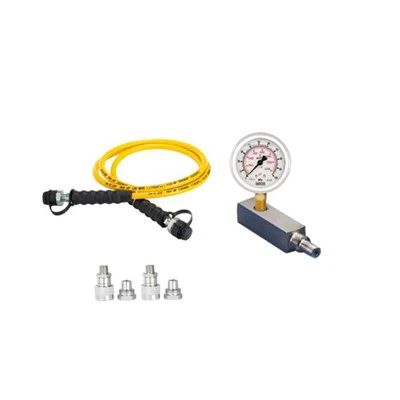
Now, let’s talk about the parts people forget—like the accessories. You know, the pressure gauge, the hoses, the hydraulic pump, the spare seals. These aren’t just afterthoughts; they’re integral to how the tensioner works. I had a customer once who stored his hoses crumpled up in a toolbox with a bunch of wrenches. When he went to connect them, there was a kink that wouldn’t come out, so the pressure was all wrong. Always coil hoses loosely when storing, don’t fold them tight or tie them in knots—that damages the inner lining. Keep the pressure gauge in its own little slot, or wrap it in cloth, because it’s super sensitive. Drop it on a hard floor, and the calibration will be off, making your tensioner give inaccurate readings. And never store spare seals loose—put them in the little plastic bag we send them in, keep them away from sharp edges and extreme temps. They’re cheap to replace, but if you lose them or damage them while storing, you’re stuck waiting for new ones on a big job.
I know this might sound like a lot of hoops to jump through, but let’s be honest—your bolt tensioner is a big investment. A good quality tensioner from us isn’t something you want to replace every year, right? We build these to last, but only if you take care of them. I’ve had customers tell me their tensioners are 10 years old, still going strong, because they stored them right. Others come back every two years with a broken unit, and when I ask how they stored it, it’s always the same story: left outside, stuffed in a toolbox, never cleaned.
Let me also clear up a common myth: some people think “industrial grade” means it doesn’t need special storage. Nope. Industrial tools just mean they’re built to handle heavy use when you’re using them, not when they’re sitting idle. The parts that make them work accurately—seals, pistons, threads—are still precision parts, no matter how tough the outer body is.
So, quick recap of the non-negotiables for storing your bolt tensioner:
- Clean it completely before putting it away—wipe off gunk, dry every part, no moisture left.
- Store in a dry, temperature-controlled space, off the floor, away from extreme heat or cold.
- Retract the piston fully, don’t leave it extended.
- Don’t stack heavy stuff on top of it, don’t bend or kink hoses, keep accessories protected.
- If storing long-term, top off with the right hydraulic fluid, keep spare parts organized and safe.

At the end of the day, we’re not just a bolt tensioner supplier—we’re here to help you keep your tools running, your jobs on schedule, and your team safe. If you’re not sure how to store your specific model, or you need new storage cases, spare seals, or replacement parts, don’t guess. Reach out to our team—we can walk you through it, no pressure. We’ve been in this industry for years, we’ve seen every storage mistake possible, and we can help you avoid them. Whether you’re a contractor with a dozen tensioners or a big industrial company managing hundreds, we’ve got you covered. Don’t wait until your tensioner fails on a critical job—take 10 minutes to store it right, and you’ll save yourself time, money, and headaches down the line.
Hydraulic Torque Wrench References:
- Bolt Tensioner Storage & Maintenance Guide, Industrial Tool Association, 2022
- Hydraulic Seal Longevity Best Practices, Fluid Power Society, 2021
- Precision Industrial Tool Storage Standards, National Association of Construction Equipment, 2020
Taizhou Galaxy Machinery Co., Ltd.
Taizhou Galaxy Machinery Co., Ltd. is one of the leading bolt tensioner manufacturers and suppliers in China. We warmly welcome you to wholesale cheap bolt tensioner for sale here from our factory. Good service and reasonable price are available.
Address: 18 Jiulong Road, Jiulong Town, Hailing District, Taizhou City, Jiangsu Province,China
E-mail: sales03@galaxy-machinery.com
WebSite: https://www.galaxy-machinery.com/
