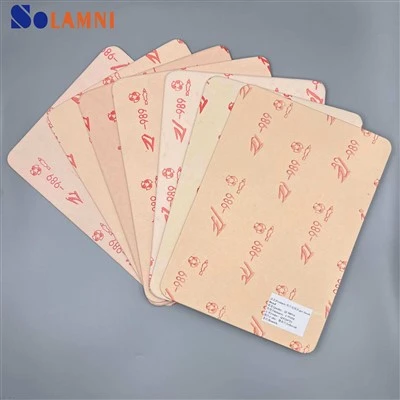
As a supplier of low-temperature sheets, I understand the crucial role proper storage plays in maintaining the quality and performance of these products. Low-temperature sheets are designed to withstand extreme cold conditions, making them valuable in various industries such as healthcare, scientific research, and food preservation. In this blog post, I’ll share insights on how to store low-temperature sheets effectively, ensuring they remain in optimal condition until they are ready for use. Low Temperature Sheet
Understanding Low-Temperature Sheets
Before delving into storage methods, it’s essential to have a basic understanding of low-temperature sheets. These sheets are typically made from specialized materials that can endure low temperatures without losing their structural integrity or functionality. Common materials include certain polymers, composites, and metals that are engineered to resist brittleness and cracking in cold environments.
Low-temperature sheets are used in a variety of applications. In the healthcare industry, they are used for cryopreservation of biological samples, such as cells, tissues, and organs. In scientific research, these sheets can be found in lab equipment and experimental setups that require a stable low-temperature environment. The food industry also relies on low-temperature sheets for food storage and transportation, helping to keep products fresh and safe.
Factors Affecting Low-Temperature Sheet Storage
Several factors can influence the storage of low-temperature sheets. Understanding these factors is key to developing an effective storage strategy.
- Temperature: The most obvious factor is temperature. Low-temperature sheets are designed to perform well at low temperatures, but sudden temperature changes can cause stress on the material. For example, if a sheet is stored at a very low temperature and then quickly brought to room temperature, it may experience thermal shock, which can lead to cracking or other damage. It’s important to maintain a stable temperature environment during storage.
- Humidity: High humidity can cause corrosion and degradation of the materials used in low-temperature sheets. Moisture can also lead to the growth of mold and bacteria, which can contaminate the sheets. Therefore, it’s crucial to keep the storage area dry to prevent these issues.
- Light Exposure: Prolonged exposure to light, especially ultraviolet (UV) light, can cause the materials in low-temperature sheets to degrade over time. UV light can break down chemical bonds in polymers and other materials, leading to changes in their physical and mechanical properties. It’s best to store low-temperature sheets in a dark or low-light environment.
- Mechanical Stress: Stacking or placing heavy objects on the sheets can cause mechanical stress, which may result in deformation or damage. The sheets should be stored in a way that minimizes physical contact and pressure to maintain their flatness and integrity.
Storage Conditions
Now that we’ve discussed the factors that affect low-temperature sheet storage, let’s explore the ideal storage conditions.
- Temperature Control: The storage temperature should be within the recommended range specified by the manufacturer. For most low-temperature sheets, this may be a temperature close to or slightly above the operating temperature. For example, if a sheet is designed for use at -20°C, it may be stored at a stable temperature of -10°C to -15°C. Using a temperature-controlled storage facility, such as a cold room or a freezer, can help maintain the desired temperature.
- Humidity Control: The relative humidity in the storage area should be kept low, preferably below 40%. This can be achieved by using dehumidifiers in the storage space. Regularly monitoring the humidity levels with a hygrometer is important to ensure they remain within the acceptable range.
- Light Protection: To protect the sheets from light exposure, they should be stored in opaque containers or wrapped in light-blocking materials. This can prevent UV damage and maintain the quality of the sheets over time.
- Isolation from Contaminants: The storage area should be clean and free from dust, chemicals, and other contaminants. This can be achieved by regularly cleaning the storage space and using proper air filtration systems. Additionally, the sheets should be stored away from sources of potential contamination, such as cleaning agents or industrial chemicals.
Storage Methods
Depending on the quantity and type of low-temperature sheets you need to store, different storage methods can be employed.
- Individual Packaging: For smaller quantities or when storing high-value sheets, individual packaging is a good option. Each sheet can be placed in a sealed plastic bag or container to protect it from moisture, light, and contaminants. This method also allows for easy identification and retrieval of specific sheets.
- Stacking: If you have a large number of sheets to store, stacking them can be a space-efficient solution. However, it’s important to stack them properly to avoid mechanical stress. Use spacers or padding between the sheets to prevent direct contact and damage. Make sure the stack is stable and does not exceed the weight limit that the sheets can withstand.
- Racking Systems: For larger storage facilities, using racking systems can be beneficial. Racks can help organize the sheets, making them easier to access. You can use adjustable racks to accommodate different sheet sizes and quantities. This method also allows for better air circulation around the sheets, which can help maintain a stable temperature and humidity.
Monitoring and Maintenance
Once the low-temperature sheets are stored, it’s important to monitor and maintain the storage conditions regularly.
- Temperature and Humidity Monitoring: Use temperature and humidity sensors to continuously monitor the storage environment. Set up alarms to notify you if the temperature or humidity levels go outside the acceptable range. Regularly check the sensors to ensure they are functioning properly.
- Visual Inspections: Conduct regular visual inspections of the stored sheets. Look for signs of damage, such as cracks, deformation, or discoloration. If any issues are detected, take appropriate action immediately, such as removing the damaged sheets or adjusting the storage conditions.
- Inventory Management: Keep an accurate inventory of the stored low-temperature sheets. This can help you track the quantity, location, and usage of the sheets. Rotate the stock regularly to ensure that the oldest sheets are used first.
Benefits of Proper Storage
Proper storage of low-temperature sheets offers several benefits. Firstly, it ensures the quality and performance of the sheets. By maintaining the appropriate storage conditions, the sheets are less likely to be damaged or degraded, which means they will function as intended when used. This can ultimately save costs by reducing the need for replacement sheets.
Secondly, proper storage helps to extend the shelf life of the sheets. Low-temperature sheets are often expensive, and maximizing their lifespan can result in significant cost savings. Additionally, it can reduce the environmental impact by minimizing waste.
Finally, storing low-temperature sheets correctly can enhance safety. Damaged sheets may pose a risk in certain applications, such as in the healthcare or food industries. By ensuring that the sheets are in good condition, you can prevent potential hazards and ensure the safety of the end-users.
Conclusion
In conclusion, proper storage of low-temperature sheets is essential for maintaining their quality, performance, and safety. By understanding the factors that affect storage, implementing the appropriate storage conditions and methods, and conducting regular monitoring and maintenance, you can ensure that your low-temperature sheets remain in optimal condition until they are needed.
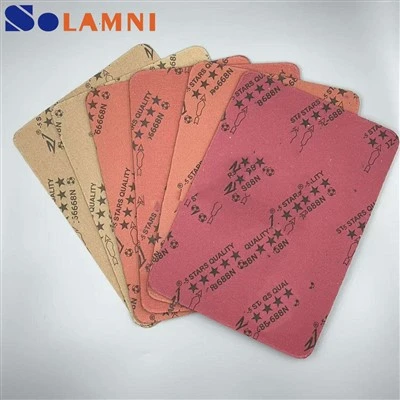
If you’re interested in purchasing high-quality low-temperature sheets or have any questions about their storage or usage, I’d be more than happy to discuss it with you. Simply reach out, and we can start the conversation about how our products can meet your specific needs.
Memory Foam Insoles References
- Handbook of Polymer Science and Technology
- Industrial Storage Guidelines for Specialized Materials
- Best Practices in Healthcare Material Storage
Quanzhou Asterism Import and Export Co., Ltd.
As one of the most professional low temperature sheet manufacturers in China, we have world-leading production equipment and strong manufacturing capabilities. Please feel free to buy high quality low temperature sheet at competitive price from our factory. Customized orders are welcome.
Address: No.6, Cuiyuan 3rd Road, Feicuiyuan, No. 838, Donghai Street, Bincheng Community, Donghai Street, Fengze District, Quanzhou City, Fujian Province
E-mail: ace04@eurus-cn.com
WebSite: https://www.sln-insoleboard.com/
