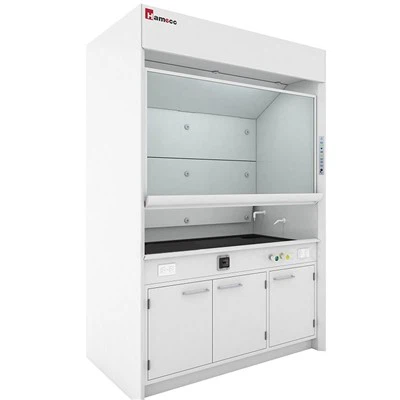
As a supplier of ductless fume hoods, I understand the critical importance of safety standards in our industry. Ductless fume hoods, also known as filtered fume hoods, are essential pieces of equipment in various settings, including laboratories, industrial workplaces, and educational institutions. They are designed to protect users from harmful fumes, vapors, and particulate matter by filtering the air within the hood and recirculating it back into the room. However, for these hoods to provide effective protection, they must meet stringent safety standards. In this blog post, I will discuss the key safety standards that ductless fume hoods need to meet to ensure the well – being of users and the integrity of the work environment. Ductless Fume Hoods
Performance Standards
One of the primary safety concerns with ductless fume hoods is their ability to effectively capture and filter hazardous substances. The performance of a ductless fume hood is often measured by parameters such as face velocity, containment efficiency, and filter efficiency.
Face velocity refers to the speed at which air is drawn into the front opening of the fume hood. A proper face velocity is crucial for preventing the escape of fumes into the laboratory. In general, the recommended face velocity for ductless fume hoods ranges from 0.3 – 0.5 m/s (60 – 100 ft/min). If the face velocity is too low, fumes may leak out of the hood; if it is too high, it can cause turbulence and disrupt the proper functioning of the hood.
Containment efficiency is a measure of the hood’s ability to keep hazardous substances inside. This is typically tested by introducing a challenge agent, such as a tracer gas or aerosol, into the hood and measuring the concentration of the agent outside the hood. High – quality ductless fume hoods should have a high containment efficiency to ensure that fumes are effectively captured.
Filter efficiency is another vital performance standard. Ductless fume hoods use various types of filters, such as activated carbon filters, HEPA filters, and chemical filters, depending on the nature of the contaminants. The efficiency of these filters is determined by their ability to remove specific types of pollutants from the air. For example, HEPA filters are designed to remove at least 99.97% of particles that are 0.3 micrometers in diameter or larger. Activated carbon filters are effective in adsorbing organic vapors and odors, and their efficiency is often measured by the amount of a particular chemical they can adsorb before reaching breakthrough.
Material and Construction Standards
The materials used in the construction of ductless fume hoods also play a significant role in safety. The interior of the hood should be made of materials that are resistant to corrosion, chemical attack, and heat. Common materials include stainless steel, polypropylene, and epoxy – coated steel.
Stainless steel is a popular choice due to its excellent corrosion resistance and durability. It can withstand a wide range of chemicals and is easy to clean, which is important for maintaining a safe and hygienic work environment. Polypropylene is another option, especially for applications involving strong acids and bases. It is lightweight, resistant to many chemicals, and can be molded into complex shapes.
The structural integrity of the fume hood is also crucial. The frame and body of the hood should be sturdy enough to withstand normal use and any potential impacts. All joints and seams should be properly sealed to prevent the leakage of fumes. Additionally, the hood should be designed with a smooth interior surface to minimize the accumulation of dust and contaminants.
Electrical Safety Standards
Since many ductless fume hoods are equipped with electrical components, such as fans, lighting, and control systems, they must meet strict electrical safety standards. These standards are in place to prevent electrical hazards, such as fires, shocks, and short – circuits.
The electrical components should be properly grounded to prevent electrostatic discharge, which could potentially ignite flammable substances. All electrical wiring should be insulated and protected to prevent damage. In addition, the fume hood should be equipped with appropriate electrical safeguards, such as circuit breakers and over – current protection devices, to prevent electrical overload.
The electrical system of the fume hood should also be designed to be compatible with the local electrical supply. It should meet the voltage, frequency, and plug requirements of the area where it will be used. International safety standards, such as those set by the International Electrotechnical Commission (IEC), provide guidelines for ensuring the electrical safety of equipment, including ductless fume hoods.
User Safety Features
In addition to performance, material, and electrical standards, ductless fume hoods should also have several user – safety features. These features are designed to make the hoods easier to use safely and to minimize the risk of operator error.
One important safety feature is a real – time monitoring system. This system can continuously measure the concentration of pollutants inside and outside the hood, as well as parameters such as face velocity and filter status. If the concentration of hazardous substances exceeds safe levels or if there is a problem with the face velocity or filter, the system can alert the user with an audible and visual alarm.
Another user – safety feature is the provision of proper ventilation controls. The user should be able to easily adjust the airflow rate and direction to suit the specific application. This allows for optimal performance and ensures that the hood is operating safely under different conditions.
Accessibility is also crucial for user safety. The fume hood should be designed with easy – to – reach controls and ports for connecting equipment. It should also have a clear and unobstructed view of the work area inside the hood, which helps the user to perform tasks safely and efficiently.
Certifications and Compliance
Meeting recognized safety standards is not only important for the safety of users but also for the credibility of the product. Many countries and regions have their own regulatory bodies that set safety standards for fume hoods. In the United States, for example, the National Sanitation Foundation (NSF) sets standards for laboratory equipment, including ductless fume hoods (NSF/ANSI 49). The European Union has its own set of standards, such as those defined by the European Committee for Standardization (CEN).
When choosing a ductless fume hood, customers should look for products that are certified by these recognized organizations. Certification indicates that the fume hood has been tested and meets the established safety and performance standards. As a supplier, I ensure that all our ductless fume hoods undergo rigorous testing and are certified to meet the relevant industry standards.
Importance of Regular Maintenance and Monitoring
Even a ductless fume hood that meets all the safety standards needs regular maintenance and monitoring to ensure continued safe operation. Filters need to be replaced regularly, as they become saturated with contaminants over time. The airflow system should be checked periodically to ensure that the face velocity is within the recommended range.
Regular cleaning of the hood is also essential to remove any accumulated dust, dirt, and chemical residues. This helps to maintain the integrity of the materials and ensures that the hood operates efficiently. Additionally, electrical components should be inspected regularly for signs of wear or damage.
As a supplier, I not only provide high – quality ductless fume hoods that meet all the necessary safety standards but also offer comprehensive maintenance services. Our team of experts can perform regular inspections, filter replacements, and repairs to keep your fume hoods operating safely and effectively.
Conclusion

In conclusion, ductless fume hoods must meet a variety of safety standards to provide effective protection for users and the work environment. From performance and material standards to electrical safety and user – safety features, every aspect of the hood’s design and operation is crucial. As a supplier of ductless fume hoods, I am committed to providing products that meet or exceed these standards.
Lab Chair and Stool If you are in the market for a ductless fume hood, I encourage you to reach out to us for a detailed discussion. We can help you select the right fume hood for your specific needs, ensuring that you get a safe and reliable product. Contact us today to start the procurement process and ensure the safety of your laboratory or workplace.
References
- ASTM International. ASTM standards related to laboratory safety and equipment.
- National Sanitation Foundation (NSF). NSF/ANSI 49 – Class II (Laminar Flow) Biosafety Cabinets.
- International Electrotechnical Commission (IEC). Electrical safety standards for equipment.
- European Committee for Standardization (CEN). European standards for laboratory equipment.
HAMECC(Shanghai) Lab Solutions Co., Ltd.
We’re well-known as one of the leading ductless fume hoods manufacturers and suppliers in China, featured by quality products and good price. Please rest assured to buy customized ductless fume hoods made in China here from our factory.
Address: Building 1, No. 2222, Huancheng Road, Jiading District, Shanghai
E-mail: info@hamecc.com
WebSite: https://www.hamecc.com/
