Hey there, folks! I’m a supplier of air cooled heat exchangers, and today I wanna talk about the heat transfer coefficient of these bad boys. It’s a super important topic, especially if you’re in the market for an air cooled heat exchanger. So, let’s dive right in! Air Cooled Heat Exchanger
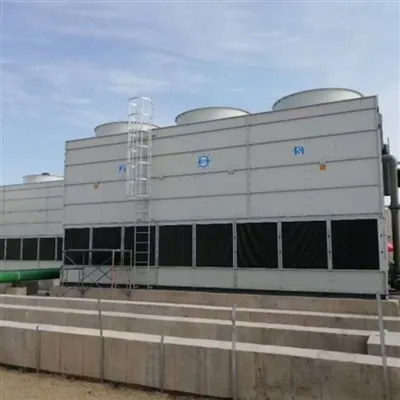
First off, what the heck is the heat transfer coefficient? Well, in simple terms, it’s a measure of how well a material or a system can transfer heat. In the case of an air cooled heat exchanger, the heat transfer coefficient tells us how efficiently the exchanger can move heat from a hot fluid to the surrounding air.
Think of it like this: You’ve got a hot cup of coffee, and you want it to cool down quickly. You can blow on it, and that air flowing over the surface helps transfer the heat from the coffee to the air. The rate at which the coffee cools down depends on how well that heat can be transferred, and that’s where the heat transfer coefficient comes in.
For air cooled heat exchangers, the heat transfer coefficient is influenced by several factors. One of the biggies is the design of the exchanger itself. We’ve spent a lot of time and effort perfecting our designs to maximize this coefficient. The shape and arrangement of the fins play a huge role. Fins are like little helpers that increase the surface area of the exchanger. The more surface area there is, the more area there is for heat to transfer from the hot fluid to the air.
We use different types of fin designs, like plate fins and pin fins. Plate fins are flat and are great for increasing the surface area in a controlled way. Pin fins, on the other hand, are little cylindrical pieces that stick out from the surface. They can create a lot of turbulence in the air, which helps improve heat transfer even more.
The material of the exchanger also matters. We usually use materials like aluminum or copper because they’re great conductors of heat. Aluminum is lightweight and corrosion – resistant, which is awesome for long – term use. Copper has even better heat – conducting properties, but it can be a bit more expensive. So, depending on your budget and requirements, we can recommend the right material for you.
Another factor that affects the heat transfer coefficient is the flow rate of the air and the hot fluid. If the air is moving too slowly over the exchanger, it won’t be able to carry away the heat as efficiently. Similarly, if the hot fluid is flowing too slowly, the heat won’t be transferred from the fluid to the exchanger as quickly.
We’ve done a ton of testing to figure out the optimal flow rates. We can adjust things like the fan speed on our air cooled heat exchangers to control the air flow rate. And for the hot fluid, we can work with you to determine the best flow rate based on your system’s needs.
The temperature difference between the hot fluid and the air is also crucial. The bigger the temperature difference, the faster the heat will transfer. But in real – world applications, we don’t always have complete control over the air temperature. However, we can design the exchanger to work as efficiently as possible within the given temperature range.
Now, let’s talk about how we measure the heat transfer coefficient. There are some standard equations and methods for calculating it. We use a lot of computer simulation software during the design process to predict how well a particular exchanger will perform. This helps us fine – tune the design and make sure it meets your heat transfer requirements.
But it’s not just about numbers on paper. We also do a lot of real – world testing. We have a test facility where we can simulate different operating conditions to see how our air cooled heat exchangers actually perform. This hands – on approach ensures that the heat transfer coefficient we claim is accurate and reliable.
So, why does all this matter to you? Well, if you’re looking to buy an air cooled heat exchanger, the heat transfer coefficient is a key factor in determining its performance. A higher heat transfer coefficient means the exchanger can transfer more heat in a given amount of time. This translates to better efficiency, lower energy consumption, and potentially lower operating costs for your system.
Let’s say you’re running a manufacturing plant where you need to cool down some hot process fluids. By choosing an air cooled heat exchanger with a high heat transfer coefficient, you can get the job done faster and use less energy. This not only saves you money but also makes your operations more environmentally friendly.
At our company, we’re really proud of the air cooled heat exchangers we produce. We’ve put a lot of R & D into improving the heat transfer coefficient. Our products are designed to be reliable, efficient, and cost – effective. Whether you’re in the chemical industry, power generation, or any other field that requires heat exchange, we’ve got a solution for you.
We also offer custom – designed air cooled heat exchangers. If your application has special requirements, our team of experts can work with you to come up with a design that maximizes the heat transfer coefficient for your specific needs. We know that every customer is different, and we’re committed to providing the best possible product for you.
If you’re in the market for an air cooled heat exchanger, don’t just look at the price. Consider the heat transfer coefficient and how it will affect the long – term performance and cost of your system. And if you have any questions about our products or how the heat transfer coefficient works, just reach out to us. Our sales team is always ready to have a chat and help you make the right decision.

So, if you’re thinking about upgrading or buying a new air cooled heat exchanger, get in touch with us. We’d love to talk to you about your requirements and see how we can help you get the most out of your heat exchange system. Don’t miss out on the opportunity to improve the efficiency and performance of your operations with one of our top – notch air cooled heat exchangers.
Closed Circuit Cooling Tower References
- Incropera, F. P., & DeWitt, D. P. (2002). Fundamentals of Heat and Mass Transfer. Wiley.
- Holman, J. P. (2002). Heat Transfer. McGraw – Hill.
Hainan Haizhou Fluid Technology Co., Ltd.
Address: Room 3003A-877, 30th Floor, Tower A, Internet Finance Building, No. 3 Guoxing Avenue, Lantian Subdistrict, Meilan District, Haikou City, Hainan Province
E-mail: FD@jxark.com
WebSite: https://www.hnhzark.com/
