How to repair a damaged floor heating insulation board?
As a supplier of floor heating insulation boards, I’ve witnessed firsthand the importance of these components in maintaining an efficient and comfortable heating system. Floor heating insulation boards are crucial for ensuring that heat is directed upwards into the living space, rather than being wasted by seeping into the ground below. However, like any part of a building system, they can become damaged over time. In this blog, I’ll share some insights on how to repair a damaged floor heating insulation board. Floor Heating Insulation Board
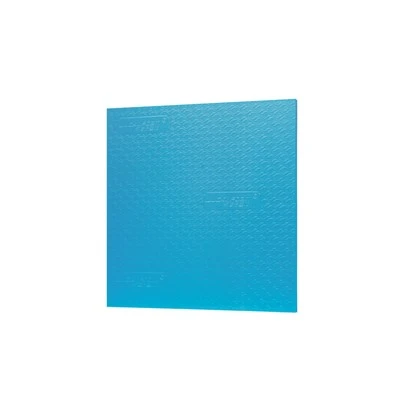
Step 1: Assess the Damage
The first step in repairing a damaged floor heating insulation board is to conduct a thorough assessment of the issue. There are several common causes of damage to insulation boards, including physical impact, moisture penetration, and improper installation. Physical impact can occur during construction or renovation work, where heavy objects may be dropped on the insulation boards. Moisture penetration can lead to the degradation of the insulation material, reducing its effectiveness. Improper installation, such as gaps between the boards or incorrect fastening, can also cause problems over time.
To assess the damage, you’ll need to remove any flooring material that covers the insulation boards. This may involve carefully lifting tiles, floorboards, or removing carpet. Once the insulation boards are exposed, visually inspect them for signs of damage, such as cracks, holes, or areas of water damage. Pay close attention to the edges and corners of the boards, as these are often the most vulnerable areas. You may also need to use a moisture meter to check for hidden moisture within the insulation.
Step 2: Gather the Necessary Tools and Materials
Once you’ve assessed the damage, it’s time to gather the tools and materials needed for the repair. The specific tools and materials you’ll need will depend on the nature and extent of the damage. Here are some common items you may require:
- Insulation boards: Make sure to choose insulation boards that are compatible with your existing system. As a supplier, I can provide you with a range of high – quality insulation boards that meet different requirements.
- Utility knife: This is used to cut the insulation boards to the correct size.
- Adhesive or tape: Depending on the type of insulation board, you may need adhesive or special tape to secure the new board in place.
- Caulking gun and caulk: To seal any gaps around the repaired area.
- Safety equipment: Such as gloves and safety glasses to protect yourself during the repair process.
Step 3: Remove the Damaged Insulation Board
If the damage is limited to a single insulation board, you can remove it for replacement. Start by carefully cutting around the damaged board using a utility knife. Be cautious not to damage any underlying pipes or wires in the floor heating system. Once you’ve cut through the edges of the board, gently pry it up using a putty knife or a similar tool. If the board is glued down, you may need to use a heat gun to soften the adhesive before removal.
Step 4: Prepare the New Insulation Board
Measure the dimensions of the space where the damaged board was removed. Use a utility knife to cut the new insulation board to fit precisely into the space. Make sure to leave a small gap around the edges of the board to allow for expansion. If the insulation board has a specific orientation or surface texture, ensure that it is installed correctly.
Step 5: Install the New Insulation Board
Apply adhesive or use tape to secure the new insulation board in place. Start by applying a thin, even layer of adhesive to the subfloor or the back of the insulation board. Press the board firmly into position, making sure it is level and flush with the surrounding boards. If using tape, carefully align the board and press the tape down to create a strong bond.
Step 6: Seal the Edges and Gaps
Once the new insulation board is installed, use a caulking gun to apply caulk around the edges of the board. This will help to prevent air and moisture from seeping into the gap between the boards. Make sure to smooth the caulk with a putty knife or your finger to create a clean finish.
Step 7: Test the System
After the repair is complete and the caulk has dried, it’s important to test the floor heating system to ensure that it is functioning properly. Check the temperature in the room to make sure that the heat is being distributed evenly. You may also want to monitor the system for a few days to ensure that there are no signs of further damage or issues.
Why Choose Our Floor Heating Insulation Boards for Repairs and New Installations
As a reliable supplier of floor heating insulation boards, we offer several advantages. Our insulation boards are made from high – quality materials that provide excellent thermal performance. They are designed to be durable and resistant to moisture, ensuring long – term reliability. We also offer a variety of thicknesses and sizes to meet the specific needs of different projects.

In addition, our team of experts is always available to provide technical support and advice. Whether you’re a professional installer or a DIY enthusiast, we can help you choose the right insulation boards for your project and guide you through the installation and repair process.
Insulation Board If you’re facing issues with damaged floor heating insulation boards, or if you’re planning a new floor heating installation, we encourage you to contact us. We can provide you with detailed product information, competitive pricing, and excellent customer service. Let’s work together to ensure that your floor heating system is efficient, comfortable, and long – lasting. Reach out to us today to start the conversation and explore the possibilities of our floor heating insulation boards.
References
- Building Science Corporation. "Insulation Basics." A comprehensive guide on insulation materials and their performance.
- International Association of Plumbing and Mechanical Officials. "Installation Standards for Floor Heating Systems." A set of industry – recognized standards for the installation of floor heating systems, including insulation board requirements.
- National Institute of Standards and Technology. "Thermal Performance of Building Materials." Research on the thermal properties of various building insulation materials.
Wenzhou Lejia Energy-saving Material Co., Ltd.
As one of the leading manufacturers and suppliers of floor heating insulation board in China, we’re featured by quality products and good service. Please rest assured to buy advanced floor heating insulation board for sale here from our factory. We also accept customized orders.
Address: Block A, No. 128 Changxiu Road, Lingkun Subdistrict, Wenzhou Marine Economy Development Demonstration Zone, Zhejiang Province, China.
E-mail: luckyfoam@vip.163.com
WebSite: https://www.lfxps.com/
